A significant chapter in Southsea's retail history is drawing to a close as a branch of the century-old outdoor and camping chain Millets has launched a dramatic "absolutely everything must go" sale ahead of its permanent shutdown. The store, which first opened its doors in 2011, will cease trading for the final time on February 28, marking the end of a 13-year presence on Palmerston Road.
Final Countdown for Southsea Store
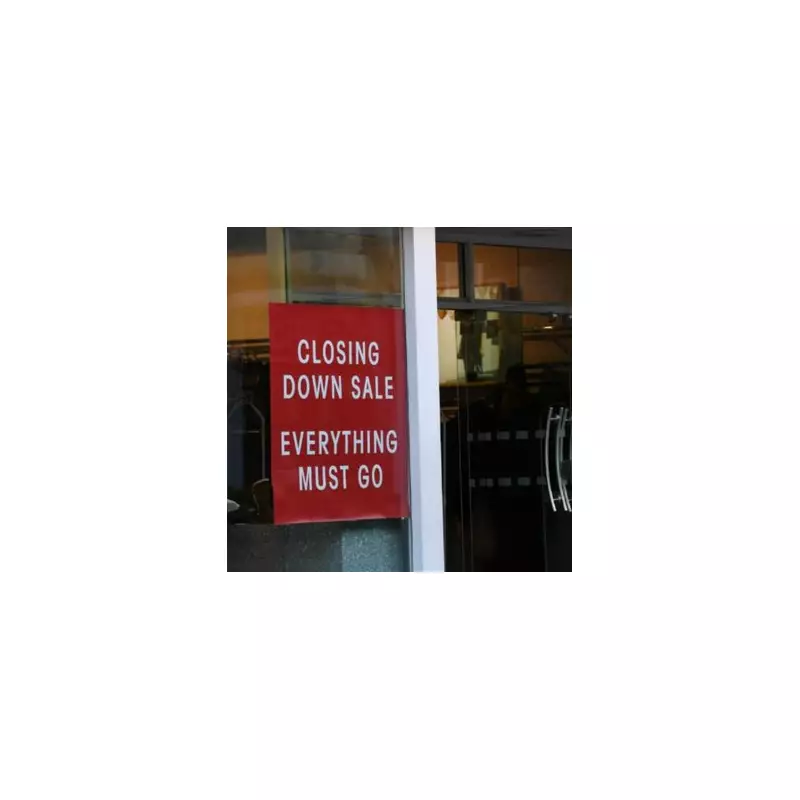
Clear signage has appeared in the windows of the Southsea Millets outlet, prominently advertising a closing down sale that offers customers 20 percent discounts across all remaining stock. The posters leave no ambiguity about the situation, stating unequivocally that "all stock must go" as the business prepares to vacate the premises permanently.
The announcement has sparked emotional responses from loyal customers who have relied on the store for their outdoor equipment needs over the years. One regular shopper expressed their disappointment on social media, noting: "This is such a shame. I've been shopping there for years and always found what I needed. Another blow for the high street."

Community Reactions to the Closure
Local residents have been sharing their memories and concerns about the impending loss of this retail fixture. Another customer remarked: "Millets was one of the last proper shops left on Palmerston Road. Sad to see another one go," highlighting the broader trend of high street decline affecting communities across the UK.
A third shopper added a more personal perspective, recalling: "So many memories of popping in before walks and holidays. It won't be the same without it," underscoring how such closures affect not just shopping patterns but community identity and personal routines.
Broader Retail Landscape Challenges
This closure occurs against a backdrop of significant challenges facing the UK retail sector throughout 2026. Numerous major retail and hospitality brands have been shutting down stores across the country, with many high street mainstays closing their doors permanently.
The difficult trading environment has been characterised by sustained pressure on consumer finances, persistent inflationary pressures throughout most of the year, and substantially increased operational costs for businesses. These combined factors have forced many retailers to launch restructuring efforts or, in more severe cases, enter administration proceedings.
Industry Perspectives on High Street Decline
Helen Dickinson, Chief Executive of the British Retail Consortium (BRC), provided context for these closures, stating: "Britain's largest shops are magnets, pulling people into high streets, shopping centres and retail parks, supporting thousands of surrounding cafes, restaurants and smaller and independent shops. After years of rising costs, far too many stores have disappeared – leaving behind empty shells that once thrived at the heart of our communities."
Kate Nicholls, Chair of UKHospitality, which represents thousands of restaurants, pubs and cafes, commented on the systemic issues affecting retail businesses: "For too long, the broken business rates system has unfairly punished hospitality businesses and I'm pleased that the government is taking action to reform it. These measures to remove punitive cliff-edges and barriers to investment are positive and will help to rebalance the system, as will the government's commitment to lower business rates bills for hospitality businesses."
The closure of the Southsea Millets store represents more than just another retail casualty – it signifies the continuing transformation of Britain's high streets and the challenges facing traditional brick-and-mortar retailers in an increasingly difficult economic climate.