In a significant blow to the UK's struggling retail landscape, major high street chain Poundland has confirmed the closure of three stores this weekend, with the future of hundreds more locations under review as the company restructures its operations.
Store Closures Signal Wider High Street Challenges
The discount retailer is shuttering its branches in Winton, Dorset, alongside shops in Chichester and Feltham, as part of a broader strategy to streamline its portfolio. This move comes against a backdrop of worsening footfall and intense cost of living pressures that are forcing businesses across the country to reassess their physical presence.
Darren MacDonald, Poundland's UK country manager, addressed the closures, stating: "We know how disappointing it is when we leave a store, but before we close our doors for a final time, we're determined to say goodbye by offering even more amazing value to customers." He emphasised that special reductions would be offered at the closing locations and reassured shoppers that the brand would continue to operate hundreds of stores nationwide.

Restructuring Plan to Reduce Store Count
At the beginning of this restructuring process, Poundland operated approximately 800 stores across the United Kingdom. The company now expects this number to decrease significantly, with estimates suggesting the portfolio will be trimmed to between 650 and 700 locations. This represents a substantial reduction in the discounter's physical footprint as it adapts to changing retail dynamics.
Barry Williams, Poundland's managing director, highlighted the company's focus on cost control as a foundation for future expansion, indicating that while some stores are closing, the business is positioning itself for sustainable growth in a challenging market.
Community Concerns and Local Impact
The closure in Winton follows recent shutdowns in nearby Dorchester, prompting concern among local residents about the vitality of town centres. One shopper lamented the loss, commenting: "Dorchester will be no town soon," while others pointed to the broader challenges facing high street businesses.
Several key concerns have emerged from community feedback:
- High business rates and operational costs making retail unsustainable
- Loss of community hubs that cannot be replicated online
- Limited alternatives for shoppers in some locations
- The challenge of filling large vacant retail units
One resident noted: "Unfortunately, rates are so high on everything not just rents. If a large nationwide business is cutting stores, you can imagine how small local businesses are struggling." This sentiment reflects wider anxieties about the future of traditional shopping areas across the UK.
Broader Retail Landscape Challenges
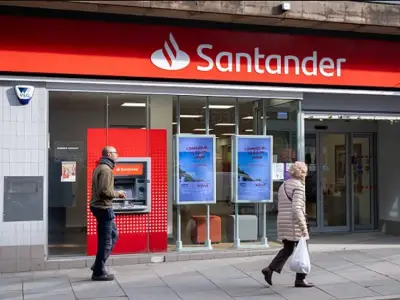
The Poundland closures occur within a context of broader high street difficulties, with other major retailers and even banking institutions reducing their physical presence. As one observer pointed out, the simultaneous closure of bank branches compounds the challenges facing town centres, creating a domino effect that undermines commercial viability.
Some critics have suggested that Poundland's expansion beyond its original pound-only model may have contributed to its current challenges, with one commenter noting: "It started off as Poundland now it's a proper supermarket at supermarket prices - out priced themselves." This reflects the delicate balance discount retailers must maintain between diversification and maintaining their value proposition.
As Poundland implements these closures, the company faces the dual challenge of managing community relations while positioning itself for a sustainable future in an increasingly digital and cost-conscious retail environment.