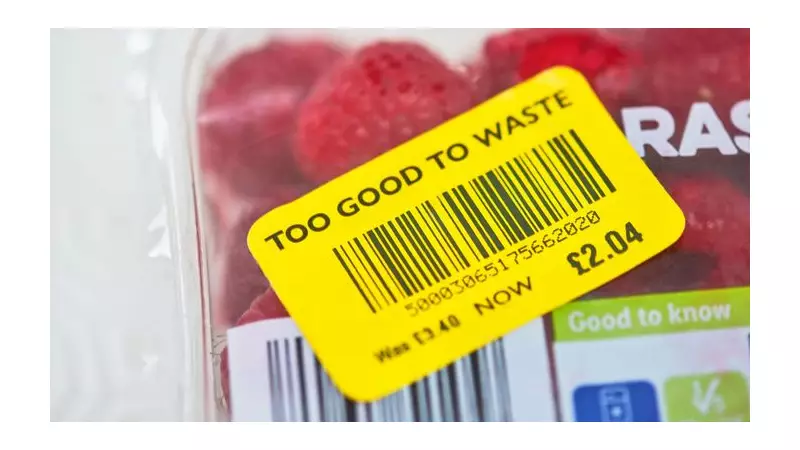
With household budgets under immense pressure following the festive season and the ongoing cost of living crisis, savvy shoppers are increasingly turning to clever strategies to reduce their supermarket spending. One of the most effective methods to dramatically cut grocery bills involves hunting for yellow sticker discounts, which offer substantial price reductions on food items approaching their use-by dates. However, timing is absolutely crucial, as these markdowns are typically applied during specific windows throughout the day.
The Strategic Pattern of Supermarket Markdowns
Richard Price, a grocery specialist at Britsuperstore, explains that many major UK supermarkets follow a predictable, tactical markdown pattern designed to move surplus stock. "January can be a particularly tough month financially, especially after the excesses of Christmas and the long wait until the next payday," he said. "That's precisely why yellow sticker deals are such a game-changer for budget-conscious families. Most leading supermarkets, including Morrisons, Aldi, and Asda, implement a two-phase reduction strategy."
He detailed that the first wave of discounts usually occurs in the morning, often ranging from 10% to 25%. The second—and frequently more significant—reduction happens in the evening or just before closing, with savings potentially reaching an impressive 90% on perishable goods. "The rationale behind this two-phase approach is entirely tactical: retailers are reluctant to take immediate losses on popular items, yet they must shift surplus inventory before it becomes waste," Price added. Items like fresh meat, dairy products, prepared meals, and bakery goods are commonly slashed by up to 90% during these evening hours, helping to prevent food waste while allowing customers to secure enormous savings.

A Comprehensive Guide to Supermarket Discount Times
Morrisons
At Morrisons, the most substantial discounts typically appear in the early evening, around 5pm, where items can be reduced by up to 90%. Ready meals, fresh meats, dairy, pies, and fruit and vegetables frequently feature in these markdowns, especially products close to their use-by dates. Shoppers are encouraged to politely ask staff about specific reduction times, as employees are generally happy to assist, and clearing stock aligns with the store's waste-reduction policy. While bulk buying might seem appealing, it is advisable to only purchase what you can realistically use or freeze to avoid contributing to food waste.
Sainsbury's
Sainsbury's markdown timings can vary significantly between individual stores, so vigilance and local knowledge are key. Large joints of meat, fruit, and prepared meals are often reduced, with loyalty card members sometimes able to save up to 50%. Weekly offers and Nectar prices can provide additional personalised discounts. Meat and bread nearing their sell-by dates are commonly marked down substantially.
Aldi
Aldi typically applies reductions twice daily—once in the morning and again in the evening. Bread, meat, and fresh produce are commonly reduced by up to 75% on their final day. Non-perishable items with damaged packaging may also be discounted by around 30%. Shoppers should carefully inspect fresh produce for any signs of over-ripeness or spoilage before purchasing.
Asda
Asda follows a similar twice-daily pattern, offering reductions in both the morning and evening. Fresh produce, including fruit and vegetables, is often slashed to as little as 10p during morning markdowns. Arriving early is particularly advantageous at stores that open at 6am or 7am. Since discounts can fluctuate throughout the day, it is worth checking the reduced shelf regularly.
Co-op
At the Co-op, markdown timings are less predictable and depend heavily on stock levels and product use-by dates. While reductions are harder to forecast, shoppers can speak to staff to gain insight into when discounts usually occur at their local store. Checking dedicated markdown sections is also highly recommended for uncovering hidden bargains.

Lidl
Lidl applies reductions early in the morning and several hours before closing. Fresh produce, bakery goods, and prepared meals are frequently discounted, with savings of up to 90% possible near closing time. Shoppers are advised to download the Lidl Plus app for real-time in-store discount updates and to be prepared to act quickly, as popular items can sell out rapidly.
Marks & Spencer
At Marks & Spencer, the optimal time for bargains is typically close to closing time. Dine-in-for-two offers, bakery products, and prepared meals are common markdown candidates. Shoppers should also look out for bundle deals and consider joining the store's loyalty programme to access further reductions.
Tesco
Tesco applies reductions throughout the day, with dedicated 'reduced in price, just as nice' sections for fresh food. Ready meals, salads, and meats are regular finds, with additional promotions sometimes available for multi-buy deals. Focus on the markdown sections for items approaching their use-by dates and check for added promotions to maximise your savings.
Mastering the art of yellow sticker shopping requires a blend of timing, persistence, and local knowledge. By understanding these supermarket patterns, consumers can make significant dents in their grocery bills while contributing to the reduction of food waste—a win-win for both household budgets and the environment.