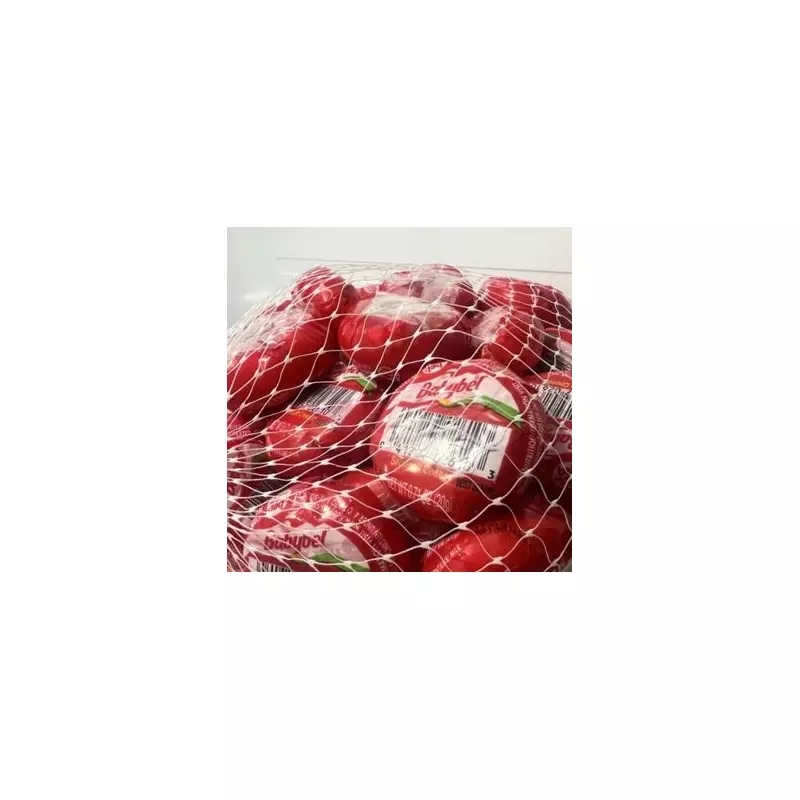
A stark warning has been issued for British families who regularly purchase Babybel cheese snacks, as a significant price disparity with the European Union has come to light.
The Price and Size Disparity
An investigation reveals that the popular cheese is now 17 per cent more expensive in the UK than in France, despite the British version being smaller. According to a recent YouGov poll, Babybel ranks as the 63rd most popular food and snack brand in Britain.
The details of the discrepancy are clear. At French supermarket chain Carrefour, within the EU, each individual cheese weighs 22g. In contrast, the UK version weighs just 20g per piece. Furthermore, a six-pack costs £2.10 in France, which is 35p less than the £2.45 paid by UK shoppers.
Market Context and Official Commentary
Oliver Richmond, marketing manager at Bel UK, commented on the product's potential, stating: “Protein cheese is still a relatively untapped category and presents a big opportunity particularly when it comes to younger adults, particularly men.”
This price alert coincides with the latest official inflation data. The Office for National Statistics reported that the Consumer Prices Index (CPI) remained steady at 3.8% in September, matching the rates from July and August.
Grant Fitzner, chief economist at the ONS, explained the factors at play: “The largest upward drivers came from petrol prices and airfares, where the fall in prices eased in comparison to last year. These were offset by lower prices for a range of recreational and cultural purchases including live events. The cost of food and non-alcoholic drinks also fell for the first time since May last year.”
Economic Outlook and Rate Cut Possibilities
Martin Sartorius, principal economist at the CBI, offered analysis on the broader economic picture. He said: “Inflation came in lower than expected in September, bringing some relief to hard-pressed households, though it remains well above the Bank of England’s 2% target.”
He added that while price pressures should ease slowly, a more substantial drop in inflation is not anticipated until the first half of next year. Crucially, he noted: “Today’s downside surprise raises the possibility that a rate cut by the Bank of England’s Monetary Policy Committee could be back on the table in November.”