The community in the former mining village of Cwmgors is harnessing the wind in their valley to tackle chronic isolation. Cwmgors' primary school closed in 2015 and sat empty for years, leaving locals without a place to gather.
New Hub Opens
However, a community energy charity, Awel Aman Tawe (AAT), stepped in and bought the building and recently opened it as a new hub called Hwb y Gors. “This building was so well loved,” said centre manager Louise Griffiths. “There are real ‘pinch me’ moments when you see past pupils and ex-staff coming in; we’ve got kids running up and down the corridors again – that’s really special.” The hub provides a low-carbon space for groups that previously had nowhere to meet. It features a hall, co-working space, café, art studio and garden, to host everything from a film club and youth theatre to a monthly repair cafe.
“It’s a lovely welcoming place,” said Louise Craik, founder of Shadows depression support group, which reached capacity during its very first session. “People arrive isolated, they’re scared, they don’t talk much to anybody. So when they come in and see all the activities in the Hwb, we can see them growing every week.”

Wind Power Funding
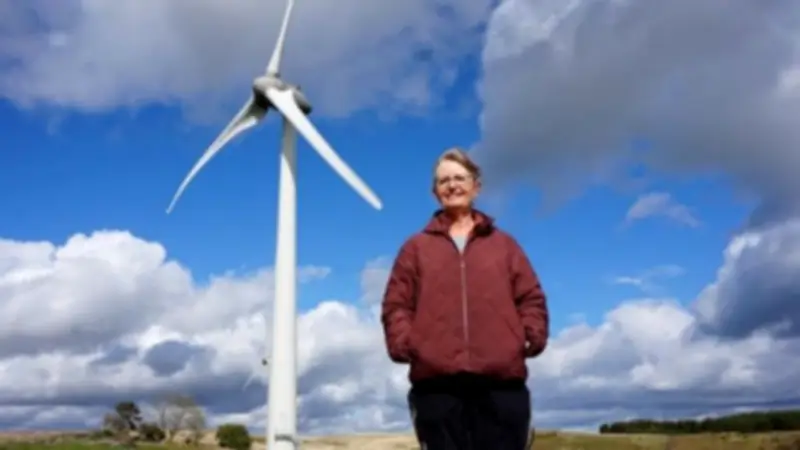
Funding for the sessions and the building itself came from the wind coursing through the valley. An entrepreneurial group of locals erected two wind turbines to harness local wind for local good. The project co-founder, Emily Hinshelwood, said: “We just realised it was a very windy place.” She said the area faced high unemployment after the miners' strike, and they wanted to use wind profits to support local regeneration.
The mission took 19 years while battling planning rejections, legal hurdles and a judicial review. It took so long that AAT established a solar cooperative (Egni Co-op) in the meantime, installing panels on more than 100 sites. The turbines are powerful and earn an average of £300,000 a year, and generate around 11,000,000KWh/year – enough to supply about 3,000 homes.
Transforming the Building
The charity bought the school using its very first energy pay cheque. The funds transformed the 110-year-old building, which suffered from dry rot and subsidence. The site now features solar panels, ground source heat pumps and rainwater recycling to keep running costs low. The team at AAT sees wind energy as a way to bring money back to the valley and unite people. They are already focusing on their next venture to restore a closed pub for community use.