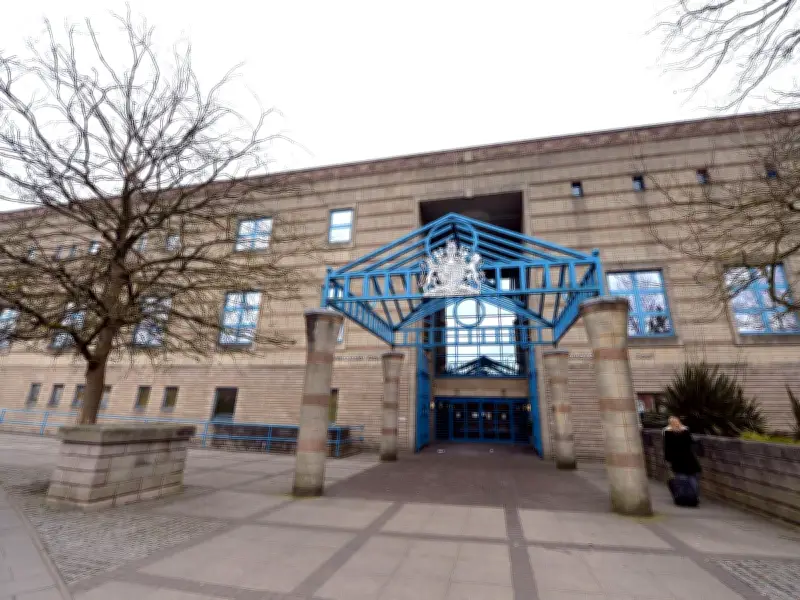
Adam Rybicki, a 60-year-old painter and decorator from Wolverhampton, has been sentenced to 20 months in prison for twice providing false names and addresses to West Midlands Police during traffic stops in Birmingham, yet he avoided a complete driving ban after a judge ruled that his ability to work would help keep him out of trouble.
Two Separate Incidents of Deception
The first incident occurred in August 2024 when Rybicki was pulled over for using a mobile phone while driving and not wearing a seatbelt. He gave officers the false name 'Christian Benner' and a fake address. The second stop happened 470 days later in November 2024, when he provided another false identity, 'Marek Rudnicki', before being arrested. Police identified him using fingerprint scanning technology and later confirmed his identity with artificial intelligence from body-worn camera footage.
Impact on an Innocent Man
The false address Rybicki provided belonged to an innocent man in Wolverhampton, who subsequently received multiple letters addressed to the fake names. Crown prosecutor Robert Cowley told the court: "He said this has led to stress in his personal life due to an ongoing decline in his health." The deception caused significant distress to the victim, who had no connection to Rybicki's offences.

Court Proceedings and Sentence
Rybicki appeared at Wolverhampton Crown Court via video link from HMP Birmingham. He pleaded guilty to two counts of perverting the course of justice, as well as driving without a licence and without insurance. Recorder Duck KC sentenced him to 20 months in prison. However, the judge declined to impose a driving disqualification, instead adding nine penalty points to Rybicki's licence.
Judge Explains Decision Not to Ban
Recorder Duck KC explained his reasoning: "I do not order disqualification because I take the view that the ability for you to be employed is likely one of the ways you will be kept out of trouble." The court heard that Rybicki is a self-employed painter and decorator, and a driving ban could have jeopardised his livelihood. The judge emphasised that employment would help rehabilitate Rybicki and reduce the risk of reoffending.
Previous Convictions
The court also learned that Rybicki has previous convictions for fraud and drink-driving, adding to the seriousness of his latest offences. Despite his criminal history, the judge opted for penalty points rather than a ban, a decision that has sparked debate about the consistency of sentencing in cases involving deception of police.