Birmingham Money Laundering Gang Jailed After Moving £17m Through Post Offices
A sophisticated money laundering operation based in Birmingham has been dismantled by authorities, with three men receiving prison sentences for their roles in moving an astonishing £17 million in illicit cash through local Post Office branches. The criminal enterprise, which operated with professional organisation, has been described as one of the most significant money laundering cases uncovered in the West Midlands region in recent years.
The Criminal Operation Uncovered
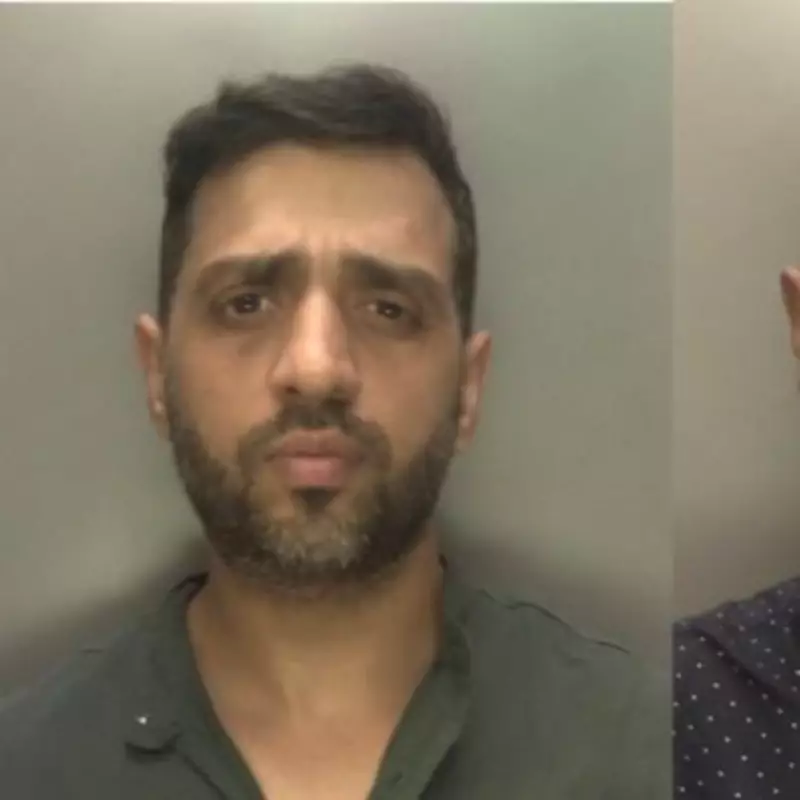
Shazad Jahan, aged 45 from Bordesley Green, and Sajid Nawaz, aged 59 from Kitts Green, were identified as key figures in the operation that saw them making more than ten daily visits to different Post Office branches across eastern Birmingham. Their activities, which spanned 2021 and 2022, involved depositing up to £200,000 per day in cash, with the total amount laundered reaching approximately £17 million within just one year.
The third member of the group, Naveed Gul from Peterborough, aged 47, was also implicated in the sophisticated scheme. The operation was uncovered following what authorities described as a "lengthy and complex investigation" by West Midlands Police, who became suspicious of the frequent cash deposits and substantial amounts being processed through multiple Post Office locations.

How the Scheme Worked
The money laundering operation followed a carefully orchestrated pattern:
- Daily cash deposits at multiple Post Office branches across Birmingham
- Use of WhatsApp communications to coordinate activities between gang members
- Movement of cash through various bank accounts to obscure its origins
- Professional organisation that allowed the processing of millions of pounds
During the investigation, police discovered compelling evidence when they intercepted Nawaz inside a Post Office with £15,000 in a carrier bag ready for deposit. Further searches revealed another £85,000 in a cardboard box in the vehicle he had arrived in. Crucially, Nawaz was found carrying a mobile phone open on a WhatsApp group chat named "Action," which contained detailed instructions about Post Office locations and specific amounts to be deposited at each branch.
Court Sentencing and Police Response
The three men appeared at Birmingham Crown Court on Friday, January 23, where they admitted offences related to money laundering concerning over £3 million. The sentences handed down reflect the seriousness of their crimes:
- Shazad Jahan received a prison sentence of five years and five months for money laundering
- Sajid Nawaz was given a two-year prison sentence, suspended for two years, after admitting to encouraging or assisting the commission of an offence
- Naveed Gul was jailed for four years and three months for his role in the money laundering operation
Senior investigating officer Jonathan Jones from the Regional Economic Crime Unit for the West Midlands commented on the case, stating: "These sentences are a result of a lengthy and complex investigation, and they show that we don't give up. We estimate that a total of around £17m in cash was laundered in just one year – an extraordinary amount of money."
Multi-Agency Investigation
The successful prosecution resulted from collaborative work between multiple law enforcement and financial agencies, including:
- West Midlands Police's Regional Economic Crime Unit
- The Post Office's own security and investigation teams
- Multiple banking institutions affected by the scheme
- The National Crime Agency
- The National Economic Crime Centre
- The UK Financial Intelligence Unit
This coordinated approach allowed detectives to follow the money trail and uncover what they described as a "professionally organised group of criminals" who had developed a sophisticated system for cleaning large amounts of cash through legitimate financial channels.

The case serves as a significant warning to those involved in financial crime in the West Midlands region, demonstrating that even complex, well-organised operations can be uncovered through persistent investigative work and inter-agency cooperation.