New research has uncovered a concerning disparity in nighttime safety perceptions, with women in Birmingham reporting significantly higher levels of fear after dark compared to the national average. The study, commissioned by security specialist Ultion, reveals stark findings about personal security in the city during evening hours.
Birmingham's Disturbing Safety Gap
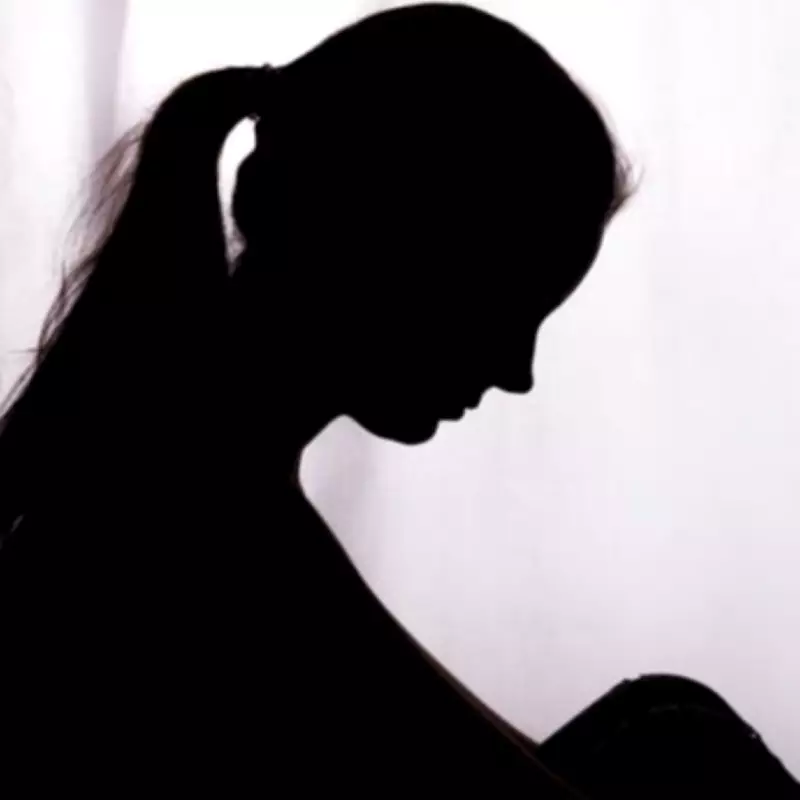
The Birmingham-specific data highlights that 68 per cent of women in the city feel less safe once night falls. This figure stands a full 10 percentage points higher than the UK average of 58 per cent, indicating a pronounced local issue. The research surveyed 2,000 individuals across the country, providing a comprehensive national comparison.
Behavioural Changes and Growing Anxieties
The statistics reveal extensive behavioural adaptations among Birmingham's female residents. A substantial 77 per cent of those surveyed actively change their routines to manage perceived risks after dark. Specific concerns include 23 per cent of women fearing being followed, with anxiety intensifying as they approach their homes.

Perhaps most alarmingly, 28 per cent of Birmingham women worry about being watched or followed right to their front door. This highlights how safety concerns persist even at what should be the most secure location – their own homes.
National Context and Winter Worries
When examining nationwide data, the research found 69 per cent of UK women feel less safe during winter months after dark. This represents a 19 per cent higher concern level than men's perspectives, with only 50 per cent of male respondents reporting feeling unsafe at nightfall.
The study also identified Wolverhampton as another area where residents report high levels of safety concerns after dark, suggesting this may be a regional issue affecting multiple West Midlands communities.
Proactive Safety Measures
Women across the UK are taking numerous precautions to enhance their safety. The research shows 76 per cent modify their behaviour during winter months, while 46 per cent avoid going out at certain times entirely. Practical measures include 26 per cent calling someone while walking home, and 21 per cent taking longer but better-lit routes.
Additional strategies include 26 per cent opting for public transport to avoid walking home during winter, and 23 per cent nationally leaving events earlier to prevent feeling unsafe. The data particularly highlights concerns among younger demographics, with 44 per cent of 18 to 24 year olds avoiding going out after dark during winter months.
Expert Commentary on the Safety Crisis
Annabel Mantel, managing director of Ultion, emphasised the significance of these findings. "Women are adjusting their daily routines and travel behaviours simply to feel safe after dark," she stated. "When over 69 per cent of women report feeling unsafe in winter, this represents a significant and persistent social issue."
Mantel continued, "Ensuring people feel secure the moment they reach their front door must become a priority, particularly as the darker months place additional pressure on personal safety. Women are doing everything they can to stay safe — changing routes, booking taxis, calling friends on their walk home — yet the moment they should feel safest, when they reach their front door, is when anxiety peaks."
She concluded with a call to action: "Our research shows it is time to close this overlooked safety gap and make arriving home feel secure, not stressful." The comprehensive data suggests urgent attention is needed to address these widespread safety concerns affecting women across Birmingham and the wider UK.