Startling new police data has identified the twenty most violent neighbourhoods across Birmingham, painting a concerning picture of crime in England's second city.
The Most Dangerous Postcodes
According to the latest statistics compiled from Police UK, several areas within Birmingham have emerged as significant hotspots for violent crime and sexual offences. The figures, which cover the period from June 2024 until May 2025, measure incidents per 1,000 residents to provide a clear comparison across different communities.
Topping the list is Central Birmingham, which recorded an alarming 315.7 reports of violent crime per 1,000 residents during the twelve-month monitoring period. This represents the highest concentration of violent incidents anywhere in the city.

Key Areas of Concern
Following Central Birmingham in the rankings, Digbeth emerges as the second most problematic area with 166.7 violent crime reports per 1,000 people. The neighbourhood of Ladywood takes third position with 143.7 incidents per 1,000 residents.
Bordesley Green and Highgate complete the top four most affected areas, registering 108.8 violent crime reports per 1,000 people. These statistics highlight concerning patterns across multiple central and inner-city districts.
Understanding the Data
The comprehensive police figures provide valuable insight into the geographic distribution of serious crime across Birmingham. By calculating incidents per 1,000 residents, the data allows for fair comparison between neighbourhoods of different sizes and population densities.
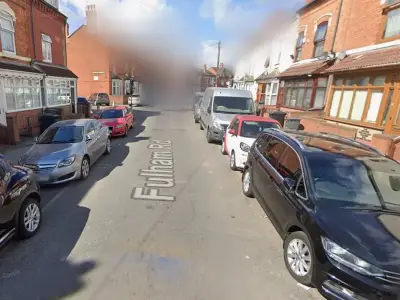
It's important to note that while illustrative photographs accompany the original report, these images do not indicate that crimes occurred at those specific locations. They serve merely to represent the areas under discussion.
The revelation of these crime hotspots comes as community leaders and police authorities continue efforts to address violence across the West Midlands region. The detailed breakdown offers both concern and opportunity for targeted interventions in the most affected communities.