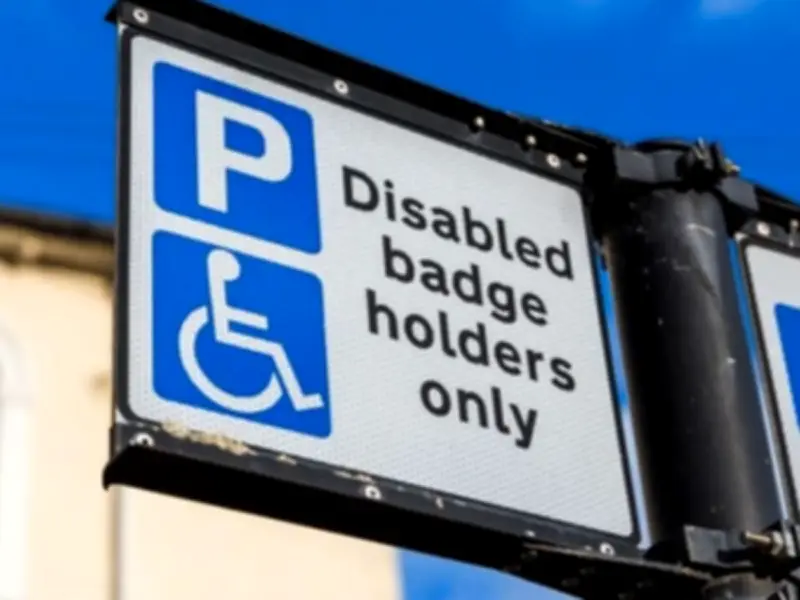
A dedicated team of Blue Badge investigators is intensifying efforts to combat disabled parking fraud across England, deploying body cameras and leveraging local CCTV to catch offenders. The crackdown focuses on three specific groups of permit holders: individuals using a relative's badge when the holder is not present, those using stolen badges, and people dishonestly using badges reported as lost.
Enforcement Action and Penalties
Paul Slowey, chief executive of the National Agency for Blue Badge Fraud Investigations (BBFI), emphasized the scale of the problem. "People say it's just parking, but the people misusing this scheme are at it all day, every day. And they're saving thousands of pounds," he said. Misusing a permit belonging to someone else can result in fines of up to £1,000.
Michael, head of operations at BBFI, noted that offenders often resort to lying when confronted. "People misusing Blue Badges seem to spring to lying very quickly," he stated. The agency aims to remove fraudulent badges from circulation, with genuine holders typically cooperating with investigators.

Rising Confiscation Numbers
Data shows a sharp increase in enforcement actions: 337 badges were confiscated in 2023, up from 272 in 2022, 149 in 2021, and 138 in 2020. Slowey criticized local authorities for insufficient enforcement, saying, "Accountants are making these decisions. We are a red line on a spreadsheet... But [local authorities] should all be doubling down on enforcement."
Blue Badge Eligibility and Application Process
Blue Badges assist people with disabilities or health conditions by allowing closer parking. Applications can be made for oneself, on behalf of another person, or for organizations transporting eligible individuals. Local councils determine eligibility and require all necessary evidence before starting assessments, which can take 12 weeks or longer. Applicants who are rejected can request a reconsideration if they believe facts were overlooked.