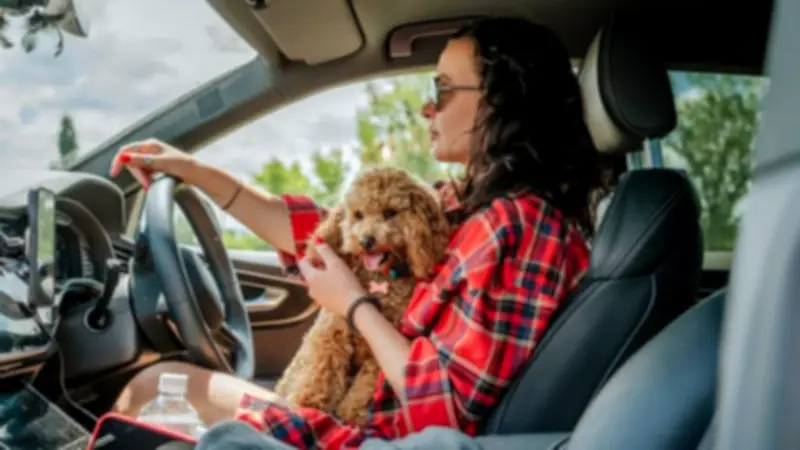
Study Reveals Widespread Failure to Secure Dogs in Vehicles
A recent study by vehicle travel specialists Travall found that approximately 33% of canines are not safely restrained in cars. This oversight could lead to substantial fines, as more than half of these drivers are vulnerable to a £5,000 penalty for breaking section 57 of the Highway Code. Official guidelines explicitly state that pets must be secured, yet more than 20% of surveyed motorists did not know this law existed. With roughly 13 million domestic dogs across the country, this indicates that around two million pets are being placed at risk alongside their owners.
Dangerous Practices and Distractions Behind the Wheel
Figures highlight that 13% of animals travel using a restraint clipped directly to their collar, which can cause severe neck damage during sudden stops. Meanwhile, 16% of people travel with unsecured pets loose in the boot, on seats, or even sitting across the driver. Alarmingly, nearly one in three motorists admitted that their canine companion had disrupted their concentration while they were behind the wheel. Specifically, 36% blamed barking, 23% allowed pets to lean out of windows, and 13% dealt with animals leaping around.
Collisions and Near-Misses Due to Pet Distractions
Such lapses in concentration can have devastating consequences on the road. While 4% experienced collisions due to their pet, 29% looked away from traffic to manage their animals, and 16% jammed on their brakes. A significant number of motorists confessed they came incredibly close to crashing because of an unsettled animal.

Expert Advice on Safe Dog Travel
Founder of Training Dog Lorenzo Barichella says: "As a dog behaviour specialist, I often see dogs that become overexcited, anxious or restless in the car because they have never been taught that travelling can be calm and predictable. Looking out of the windows, pacing around the vehicle or jumping between seats may seem harmless, but these behaviours can increase arousal and create unnecessary stress for both the dog and the driver. Travelling safely isn't just about preventing injuries. It's about creating an environment where dogs can feel calm, secure and confident, allowing them to enjoy the journey as much as the destination. Legal requirements merely set the bare minimum for securing an animal."
The Gold Standard: Crash-Tested Dog Crates
According to Oliver Lee, CEO at Travall, "Restraining your dog in the car is the minimum requirement in law. Safety experts estimate that at 50km/h (31mph), an unrestrained 30kg dog generates up to 750kg of force on impact, which can kill both an unrestrained dog and passengers in the unfortunate event of a crash. The gold standard to keep your dog safe in the car is a crash-tested dog crate, which is secured safely in the boot space."