Major Drug Line Crackdown: 89 Criminals Jailed for 545 Years in West Midlands
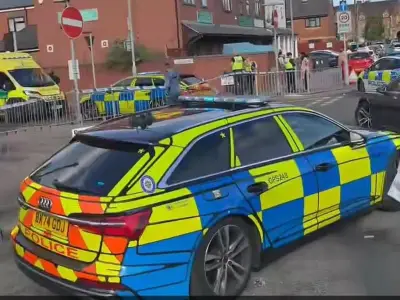
West Midlands Police has delivered a significant blow to drug networks across the region, with a specialist taskforce shutting down more than 400 drug lines in just one year. The crackdown has resulted in 89 criminals being imprisoned for a combined total of over 545 years, alongside the recovery of almost £500,000 in illicit cash.
Taskforce Achievements and Impact
From April 2025 to March 2026, the County Lines Taskforce dismantled 418 drug lines, making hundreds of arrests and seizing weapons and substantial amounts of money through a series of warrants. This intensive effort has removed dangerous dealers from the streets for extended periods, disrupting the illegal supply chains that plague communities.
Detective Inspector Mark Robinson of the County Lines Taskforce emphasized the commitment to tackling this issue. "We are dedicated to shutting down drug networks and ensuring those responsible face justice," he stated. "Our taskforce is making a tangible impact in combating the drug scourge, which devastates lives and fuels other crimes to support habits. We have closed hundreds of lines and will continue to target, disrupt, and destroy such criminal activities."

Notable Case: The Frankie Line
Among those imprisoned were two dealers involved in operating the Class A Frankie line, which targeted Birmingham city centre, Balsall Heath, Moseley, and Selly Oak. Analysis revealed that a phone number linked to this line handled over 81,000 incoming calls, made 28,000 outgoing calls, and sent and received 25,000 text messages between August 2023 and October 2024, highlighting the scale of its operations.
Financial Recovery and Ongoing Efforts
Under the Proceeds of Crime Act (POCA), the force successfully reclaimed nearly £500,000 of illegally obtained funds, ensuring that crime does not pay. The taskforce collaborates with neighbourhood teams across seven local policing areas to gather intelligence and dismantle supply lines effectively.
County lines networks often involve organised criminal groups using phone lines to distribute drugs within towns or across regions. Dealers typically send mass messages to potential customers advertising drug availability and prices, sometimes exploiting vulnerable individuals, including children and those with mental health or addiction issues, to aid distribution.
The police have affirmed that their work is ongoing, with a continued focus on cracking down on these networks to protect communities and reduce drug-related harm in the West Midlands.