Mobility Scooter Users Face Severe Penalties Over DVLA Registration Requirements
Thousands of mobility scooter users across the country are at risk of facing unlimited fines and even prison time due to a critical DVLA registration rule that many are unaware of. Authorities have issued a stark warning that certain models must be officially registered before they can legally be used on public roads.
Class 3 Scooters Require Mandatory Registration
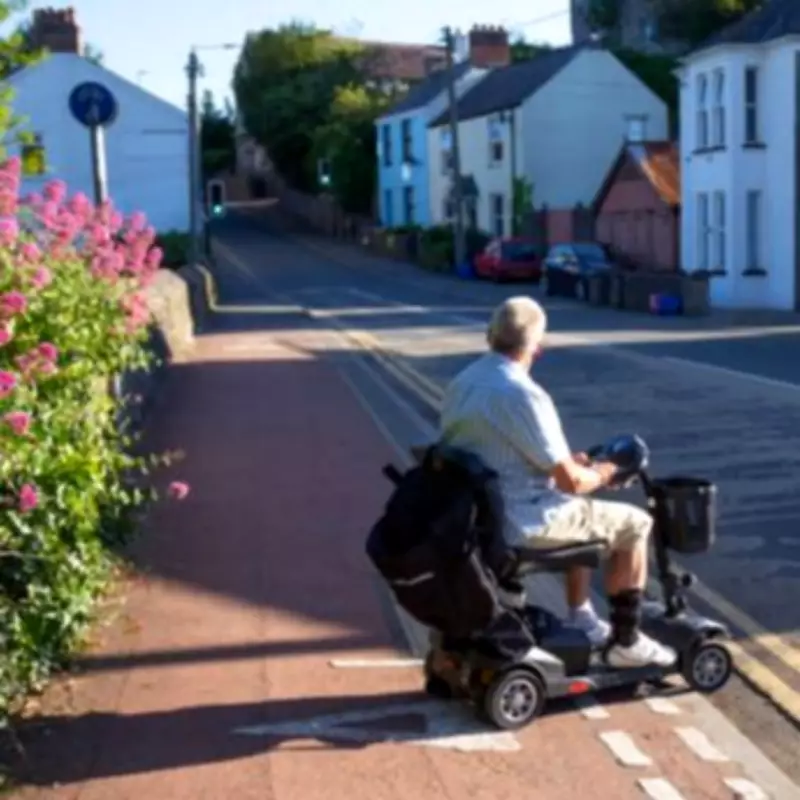
The regulations specifically target Class 3 mobility scooters, which are capable of reaching speeds up to 8mph and are designed for road use. Unlike their slower counterparts, these vehicles fall under stricter legal requirements that many users inadvertently overlook.
Lee Cartwright, a representative from Mobility Solutions Direct, explained the widespread confusion surrounding these rules. "A significant number of people don't realize there are different classifications of mobility scooters, so registration simply doesn't cross their minds," he stated. "These devices are often acquired casually through online purchases, personal connections, or hand-me-downs, with no clear guidance provided about legal obligations."

Severe Consequences for Non-Compliance
The DVLA has clarified the serious penalties awaiting those who fail to comply with registration requirements. If an unregistered Class 3 mobility scooter is involved in an accident on public roads, the operator faces the same severe consequences as a car driver – including potential imprisonment, driving bans, and unlimited financial penalties.
Cartwright emphasized the risks: "When a scooter is being used on the road without proper registration, it's technically non-compliant with regulations. This is where unsuspecting users can find themselves in serious legal trouble."
Understanding the Different Classifications
Mobility scooters are divided into three main classes with distinct usage rules:
- Class 3 scooters and powered wheelchairs can be used on roads but require DVLA registration
- Class 2 and 3 devices cannot be used in cycle lanes
- Cycle tracks (physically separated from roads) differ from cycle lanes (painted road markings)
Cartwright noted the irony in the situation: "Mobility scooters are designed to enhance independence and make daily life more manageable, so users don't typically expect complex technical requirements. However, when a device is capable of road use, there are additional legal considerations that must be addressed."
The warning comes as authorities seek to improve road safety and ensure all vehicles – including mobility assistance devices – meet established safety standards. Users of Class 3 mobility scooters are urged to verify their registration status immediately to avoid potentially devastating legal consequences.