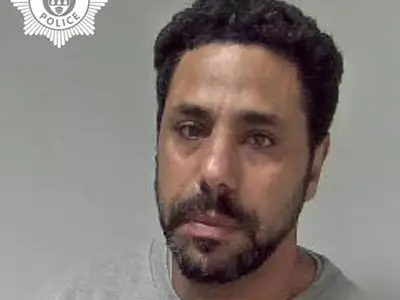
The recent documentary "Primetime Predator" on Rolf Harris has sparked a fresh warning about how sexual predators operate openly in society, with columnist Susan Lee drawing parallels to modern technology that could enable new threats. Lee highlights how Harris, like Jimmy Savile before him, exploited his public persona to abuse children while colleagues and authorities failed to act. She then turns attention to smartglasses, wearable devices that can record video discreetly, raising concerns that they could be used by predators to film children without consent.
The Chilling Story of Rolf Harris
Harris, once a beloved entertainer known for his wobble board and catchphrase "Can you see what it is yet?", was convicted in 2014 of 12 counts of indecent assault against four female victims aged 8 to 19, spanning from the 1960s to the 1980s. The documentary featured footage of him appearing on Jim'll Fix It, where he assured Jimmy Savile that he could leave a little girl "safely in my capable hands." When the girl moved, he told her to "stay here and enjoy it." These moments, now viewed through the lens of his crimes, reveal a chilling arrogance.
Lee notes that Harris hid in plain sight. Despite warnings from BBC colleagues who advised each other not to get in a lift with him or walk upstairs ahead of a man nicknamed "the octopus," no effective action was taken. His influence and connections protected him, making him feel invincible. The bravery of his victims in speaking out decades later is remarkable, but the signs of his behaviour were evident to those who chose to look.

Smartglasses: A New Front in Child Protection?
The day after watching the Harris documentary, Lee read about smartglasses—eyewear that can record surroundings. One owner described using them to film his daughter's dance show, allowing him to "be in the moment." But Lee questions: what about children who might be filmed by strangers wearing these innocuous-looking devices? The technology presents a safeguarding concern, a potential threat that is easy to overlook. She argues that while the world has changed, the methods of predators have only adapted.
Predators now have even more tools to watch without detection. Lee warns that ignoring this reality puts children at risk. The lesson from the Harris case is that we must be vigilant and proactive, not just in hindsight but in anticipating new dangers.
Pavement Parking: A Separate but Related Issue
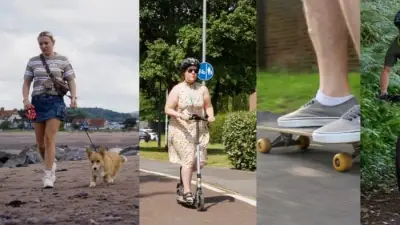
In a related note, Lee comments on new figures showing that half of councils surveyed actively encourage pavement parking through marked bays or signage. Responding to BBC research, the Local Government Association said pavement parking is one of the most complained-about issues, but councils must balance the needs of all users. Lee argues that pavements are for people, not parked cars. Such parking creates obstacles for wheelchair users, people with mobility issues, and parents with pushchairs. It is a frustration for everyone trying to navigate streets safely.
The broader message is that society must prioritise people over vehicles, just as it must prioritise child safety over convenience. The parallel between the hidden threat of predators and the visible nuisance of pavement parking underscores a need for better awareness and enforcement.