West Midlands Confronts Weaponized Car Epidemic as Pedestrian Fatalities Surge
BirminghamLive editor-in-chief Graeme Brown has issued a stark warning about a growing public safety crisis in the West Midlands, where vehicles are being transformed into everyday weapons on the roads. For years, campaigns have advocated for safer driving practices to protect pedestrians across Birmingham, yet this push for change has not been universally embraced by all residents.
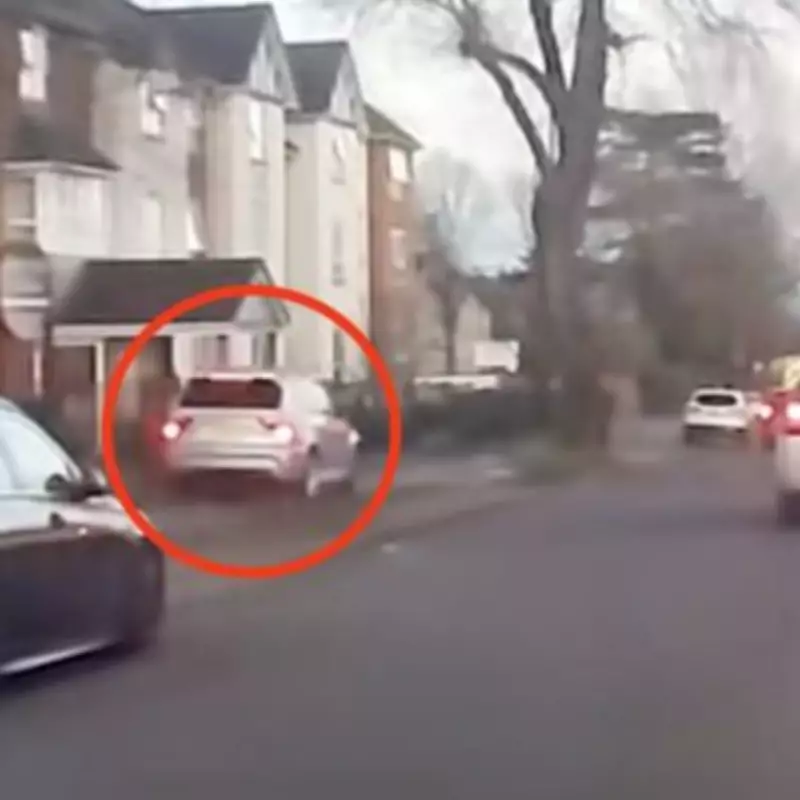
"Why don't you leave drivers alone" is a frequent retort Brown encounters, highlighting the contentious nature of road safety debates. However, recent disturbing footage from Birmingham underscores the urgent need for action. A video capturing a driver recklessly mounting a pavement and accelerating through pedestrian space has reignited concerns about the deteriorating standards of driving behavior in the region.
Erosion of Safe Spaces and Rising Aggression
This incident is particularly alarming because it violates a fundamental boundary: pavements are traditionally sanctuaries where people expect safety from vehicular threats. Once this line is crossed, the distinction between transportation and direct menace vanishes entirely. Frontline workers, especially those in public-facing roles, report increasing encounters with aggression, intimidation, and unpredictable conduct as part of their daily routines.

Threats, violence, and disorder are now described as routine rather than exceptional occurrences. This broader atmosphere of disrespect for shared spaces, regulations, and fellow citizens provides a fertile ground for dangerous driving to flourish. The driver in the Birmingham footage is not merely reckless; they are symptomatic of a deeper societal malaise.
Cars as Lethal Instruments in a Culture of Impunity
Across the West Midlands, the misuse of vehicles to endanger others is becoming more visible and extreme. Recent tragic events illustrate this dangerous trajectory. A hit-and-run involving a stolen car claimed the life of a two-year-old child in Smethwick, while another incident saw a driver crash into a home and flee the scene. These episodes form part of a catalog of harm where cars serve as the central instrument.
The uncomfortable reality is that cars possess all the characteristics of weapons: they are heavy, capable of high speeds, and widely accessible. When misused, even briefly, they can inflict catastrophic damage. Society often treats dangerous driving as a mere lapse rather than a potentially lethal act, a perception that lowers the threshold for risk-taking behavior.
Diminishing Accountability and Its Deadly Consequences
Cars offer a physical distance that can reduce empathy and increase recklessness. Drivers separated from those they endanger may view pedestrians as obstacles rather than individuals, making it easier to justify hazardous actions like mounting pavements at speed. The outcome remains tragically consistent: whether a death results from a car or a knife, the victim is equally lost, and their families are left devastated.
What ties these issues together is a pervasive sense of diminishing accountability. The Birmingham driver appeared unconcerned about consequences, mirroring behavior in multiple recent incidents where drivers fled after causing serious harm. This suggests not only poor judgment but a belief that rules no longer apply meaningfully.
When powerful machines like cars are combined with a culture of impunity, risks multiply dramatically. In the West Midlands today, the most dangerous weapon is not exotic or rare; it is the ordinary car, operated without regard for anyone else's safety. This crisis demands urgent attention to restore respect for shared spaces and prevent further loss of life on the region's roads.