The Battle for Birmingham's Culinary Crown: Saving the True Balti
In the heart of England's second city, a culinary icon faces extinction. The genuine Birmingham balti, a dish as integral to local identity as Bournville chocolate or Typhoo tea, is being overwhelmed by imitations. Experts warn that discerning the real from the fake comes down to two critical elements: bubbles and bowls.
The Telltale Signs of Authenticity
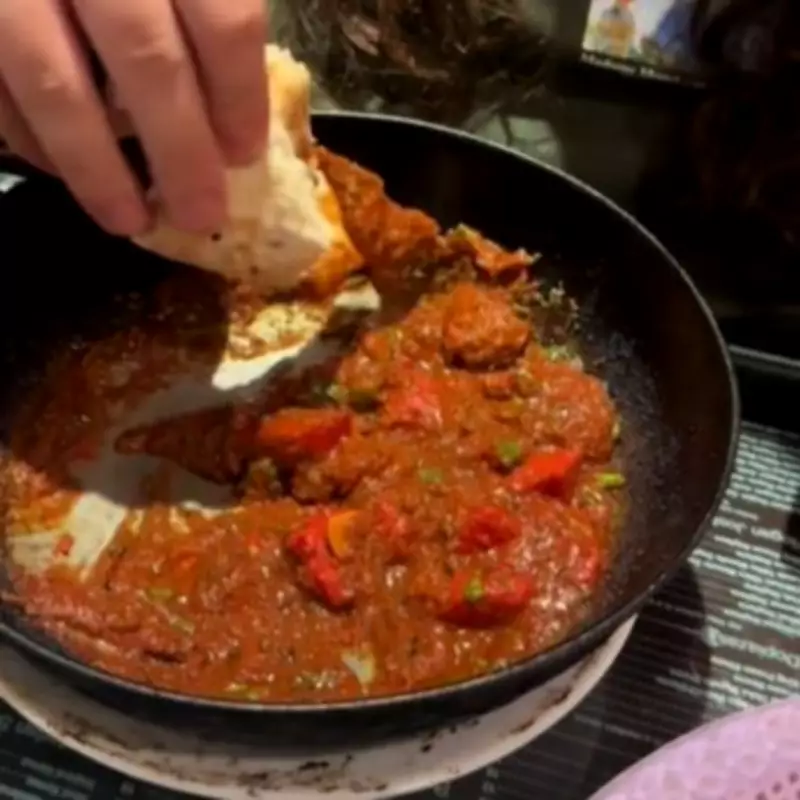
A true Birmingham balti reveals itself through its lively, simmering surface. Bubbles dance and burst in the spicy stew, creating a volcanic effect that counterfeit versions lack. Equally important is the serving vessel: authentic baltis arrive in blackened steel bowls, darkened from oven use, not polished silverware. The dish must be cooked and served in the same bowl within ten minutes, preserving its distinctive character.
A Dwindling Legacy
Andy Munro, the authority who coined the term "Balti Triangle," has documented a alarming decline. Where thirty restaurants served genuine baltis in the 1990s boom, only two remain in the famed triangle encompassing Stoney Lane, Ladypool Road, and Moseley Road. Munro estimates just ten to twenty authentic venues survive citywide, with even the Bangladeshi Restaurant Owners Association unable to locate hidden gems.
Public awareness is fading too. A University College survey found 40% of Brummies cannot identify a real balti. Yet Munro remains optimistic: "I'm fairly upbeat. The remaining restaurants are family-owned, and young chefs want involvement in something with recognition." He envisions reviving the balti as "culinary rock n roll."
The UNESCO Solution
Salvation may come from an unexpected source. Munro has petitioned UNESCO to grant the Birmingham balti protected status, similar to Melton Mowbray pork pies or Cornish pasties. While Brexit thwarted earlier EU efforts, UNESCO shows interest, inspired by its recent recognition of Azerbaijan flat bread as Intangible Cultural Heritage.
Protection would create a "trail of cultural heritage" linking authentic restaurants like Shababs on Ladypool Road, allowing them to display a UNESCO marque. This could encourage more venues to prepare the dish correctly, preserving its legacy.
Essential Balti Facts
- Invented at Adil Restaurant on Stoney Lane in 1975, using custom steel bowls from Pressform.
- Contains three times more iron than standard curries, equivalent to 15 pints of Guinness.
- Birmingham City FC's Aliou Cisse has a balti named after him, featuring peanut butter and sweetcorn.
- During peak years, baltis drew 20,000 weekly diners, using over 1,000lbs of onions and 300lbs of chicken locally sourced.
Munro recalls his first balti in early 1980s Lozells as a "culinary epiphany," comparing it to "a live football match versus recorded highlights." As UNESCO already protects UK landmarks like the Tower of London, Birmingham's balti bowl could soon join this prestigious list, ensuring this sizzling tradition continues to bubble with life for generations.