Archaeological Discovery Halts Chesterfield Square Regeneration
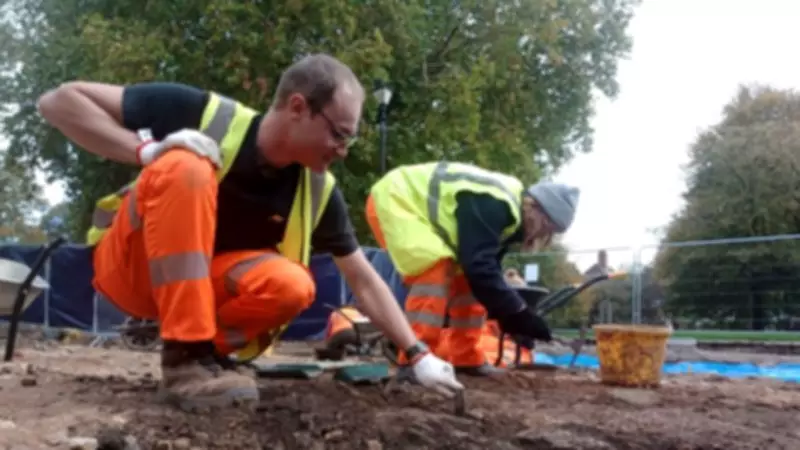
Work to transform Rykneld Square in Chesterfield was abruptly paused last July when experts from the University of Leicester made a remarkable discovery. Archaeologists unearthed evidence of buildings dating back hundreds of years, forcing a temporary halt to the regeneration project.
Uncovering Centuries of History
The archaeological team has now completed a thorough investigation of the site, revealing a fascinating sequence of walls and floor surfaces. These structural remains belong to former almshouses and cottages that once stood adjacent to the iconic Crooked Spire church.
In addition to the architectural features, researchers discovered fragmented pottery spanning from the Medieval period through to the 19th century. These artifacts provide a unique window into everyday local life across multiple historical eras.
Respectful Treatment of Human Remains
Perhaps most significantly, archaeologists uncovered skeletal remains from a disused section of the historic churchyard. These human remains will be treated with utmost respect and will be re-buried appropriately on the site according to established protocols.
The structural wall remains discovered during the excavation are being preserved exactly where they were found. They will be carefully covered over to ensure their protection for future generations while allowing the regeneration project to proceed.
Sharing the Discovery with the Public
Chesterfield Museum will receive the pottery samples along with a comprehensive account of all findings from the archaeological investigation. Furthermore, new interpretive signs will be installed at the square to share this rich history with visitors and residents alike.
John Thomas from the University of Leicester expressed his enthusiasm about the project, describing it as "a privilege to work on an excavation that provides such a fresh perspective on the town." He noted that "the archaeology is remarkably well-preserved and shows that people have lived in this specific area next to the church for a very long time."
Revised Plans for Regeneration
Following these significant discoveries, the designs for Rykneld Square have been substantially refined to ensure full protection of the historic remains. Councillor Kate Sarvent emphasized the council's dual commitment, stating they are "committed to preserving this knowledge while restarting the regeneration of this important public space."
The updated plans still include many of the original features such as new seating, improved paving, and wider walkways. However, significant adjustments have been made to protect the archaeological finds. Instead of planting trees that might disturb the ground, the revised design will incorporate smaller shrubs.
Councillor Sarvent explained that "the goal is to create a greener area where residents can enjoy better views of the borough's beloved landmark," referring to the famous Crooked Spire that dominates Chesterfield's skyline.
Project Timeline and Funding
Construction work is expected to restart this summer and should take approximately three months to complete once it resumes. The project forms part of a broader scheme to revitalise the heart of Chesterfield town centre.
This regeneration initiative is being funded through the Government's Levelling Up Fund, which aims to support development projects across the United Kingdom. The archaeological discoveries have added an unexpected historical dimension to what was already an important urban improvement project for the Derbyshire town.