The monumental £1.9 billion Birmingham Smithfield project, a scheme poised to redefine the city centre, has entered a pivotal new stage with the commencement of on-site archaeological investigations.
Unearthing Birmingham's Medieval Heart
This week, Birmingham City Council confirmed that archaeological works have begun at the vast former wholesale market site. The investigation, led by Cotswold Archaeology on behalf of the council and development partner Lendlease, is a critical precursor to the main redevelopment. It aims to uncover and preserve insights into Birmingham's medieval history, focusing on an area just north of the city's former moated manor, the historic home of the Lords of Birmingham.
Selina Mason, director of masterplanning for Birmingham Smithfield Lendlease, stated that momentum is now "really building" for the project. "This excavation marks another important step forward," she said. "The medieval manor and market is at the heart of Birmingham’s most historic area, it helped shape the city we know today and honouring that heritage is central to Birmingham’s regeneration."
The council has assured that any historical findings will be meticulously documented and preserved according to national guidelines. This archaeological phase is scheduled to continue until mid-December 2025, with the main redevelopment work set to begin early next year.
A Vision for a Landmark Destination
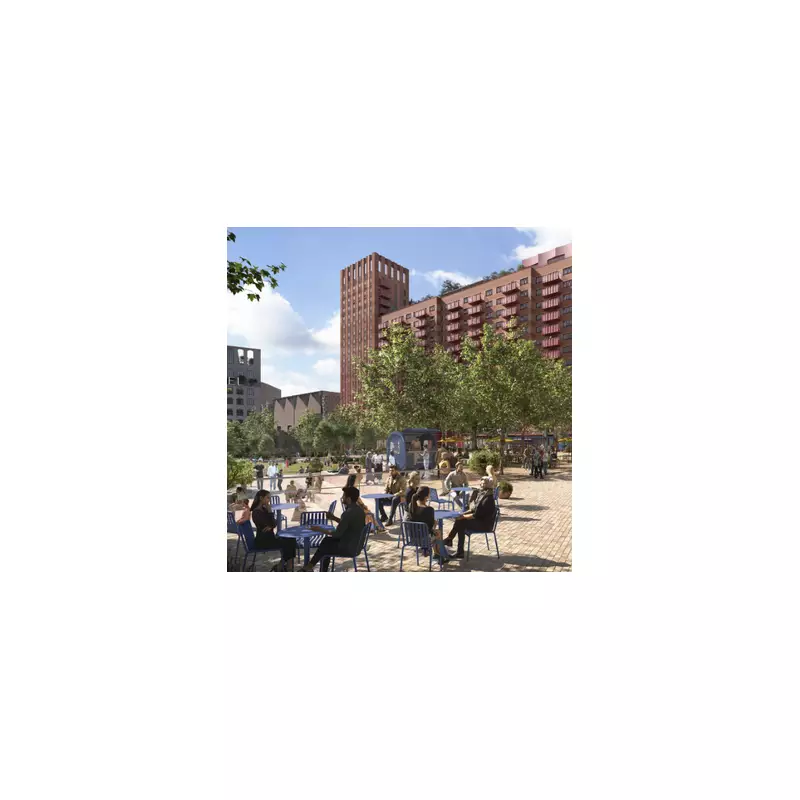
Described as a "once-in-a-generation" opportunity, the approved plans for Smithfield are extensive. The project promises to deliver:
- New homes
- Retail and market complexes
- Leisure facilities and civic squares
- A new public park
Councillor Sharon Thompson, deputy Leader of Birmingham City Council, emphasised the project's significance, calling it "one of the most significant regeneration projects" in the city's history. "We are committed to ensuring that its future is built on a deep respect for its past," she commented. "These archaeological works give us a unique opportunity to uncover and celebrate the city’s medieval heritage before redevelopment work begins to deliver new homes, jobs, and vibrant spaces for generations to come."
Navigating Financial Challenges
Despite the overwhelming optimism surrounding the project's potential impact, it has not been immune to financial pressures. An outline business case revealed earlier this year detailed necessary adjustments to ensure viability.
In response to a request from government-appointed commissioners—who were brought in after the council declared effective bankruptcy in 2023—the funding requirement has been scrutinised. The council was asked to reduce its initial £209 million Enterprise Zone funding request. The requested amount is now £172.8 million.
These financial constraints have led to some design consolidations. For instance, the planned Art Shed cultural building and the Round House music venue will now be incorporated into a single structure rather than two separate buildings.
The council attributed these challenges to "wider, viability pressures" stemming from high inflation during 2022-24, which could not have been foreseen during the initial procurement of Lendlease. Despite these adjustments, the council maintains that Lendlease's proposal remains the most economically advantageous option.