Amidst the modern glow of digital screens and towering billboards, Birmingham's brickwork holds silent, fading stories. Across the city, weathered 'ghost signs' – hand-painted advertisements from a bygone era – cling to building facades, offering a poignant window into the region's formidable industrial and commercial past.
Whispers in Brick: A Fading Urban Archive
These painted relics, now often just faint whispers of pigment on brick, once served as vibrant beacons for shoppers and tradespeople. They advertise businesses and services long since vanished, yet their physical imprints have survived decades of urban change. In an age of ephemeral digital media, these signs stand as enduring, if fragile, tributes to traditional craftsmanship and local industry.
From public baths to breweries and silversmiths, each sign tells a specific tale of Birmingham's social and economic fabric. They form an informal, open-air archive, preserving the names and trades that powered the city's growth.
Notable Relics: From Stirchley to the Jewellery Quarter
A tour of these ghost signs reveals a fascinating cross-section of Birmingham's history. In Stirchley, the sign for the public baths, opened in 1910, remains visible. This community hub is set to celebrate a significant milestone, marking its 10th anniversary as a revived centre in 2026.
At Camp Hill, the lettering for The Brewer and Baker pub is just about discernible on a terrace built in 1830. Meanwhile, on Livery Street, a small remnant hints at the former grandeur of the original Snow Hill Station, which first opened in 1852 and was rebuilt in 1871 before closing in 1972.
The Jewellery Quarter is particularly rich in these historical markers. On Spencer Street, signs for silversmithing companies like Frank Hawker Carpathian Silver Company Ltd. and Bernard C. Lowe & Co Ltd speak to the area's specialist trade. On Legge Lane, the inscription for Manton Silversmith & Cut Glass Manufacturer, established in 1834, is still clear.
Other highlights include:
- The Custard Factory in Digbeth, built in 1906 for Alfred Bird's famous product, now repurposed for creative industries.
- Bonser & Co Ironworks in Digbeth, built in 1860, with its sign still prominent on the tower, now part of a clothing shop.
- Pickering & Mayell Ltd Reliance Works on Caroline Street, a packaging firm from 1826 that made cases for local jewellery.
- The former Holt Brewery Co Ltd on Lister Street, which once supplied around 250 pubs across the Midlands.
Adapted and Repurposed: Signs of Changing Times
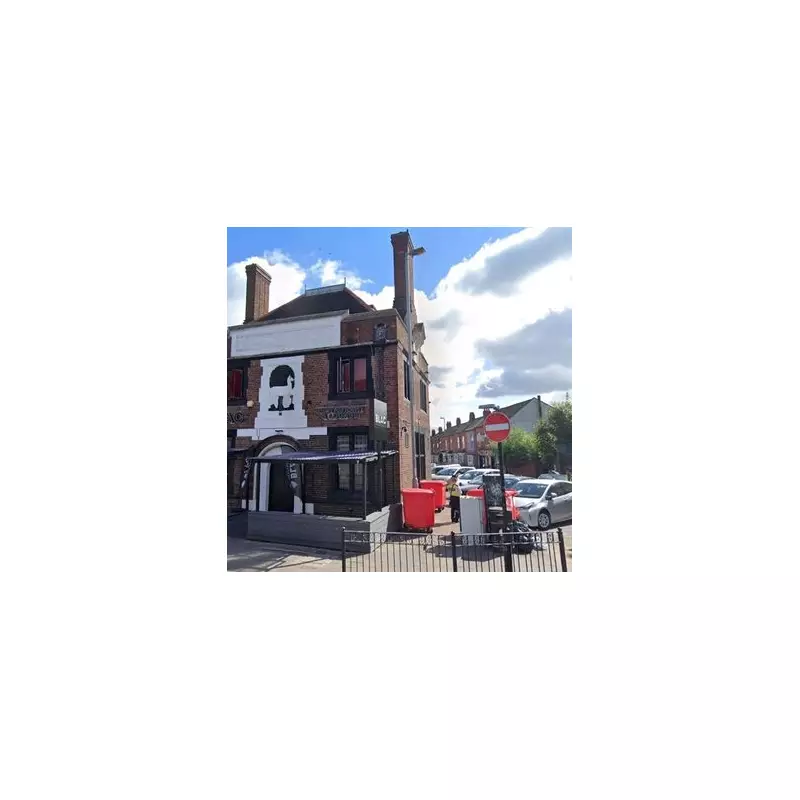
Many buildings bearing these signs have found new lives, creating a layered history. The former Bordesley Green Fire Station is now offices, though the sign remains above the old fire doors. On Stratford Road in Sparkhill, the lettering for The Antelope Pub is now painted over in white on what is today the Blac Restaurant.
In Digbeth, the Bordesley Cattle Station on Upper Trinity Street, where animals were once unloaded for market, is long gone, remembered only in archives and photographs. The Pelican Works on Great Hampton Street, a Grade II listed electroplating works from 1868, now houses a fashion shop, its iconic statue still perched on top.
Even the side of the iconic Electric Cinema on Hinckley Street bears painted lettering from its past incarnation as the Tatler News Theatre between 1937 and the 1950s, when it screened newsreels and cartoons.
These ghost signs are more than just nostalgic curiosities. They are tangible connections to the streets, trades, and daily life of a previous Birmingham. They remind residents and visitors alike that the city's landscape is a palimpsest, with each generation leaving its mark over the last. As these signs continue to fade, they gain greater urgency as irreplaceable fragments of the city's unique story, urging us to look up and notice the history etched in plain sight.