Bournville: The Quaker-Model Village Where Pubs Are Banned But Loopholes Exist
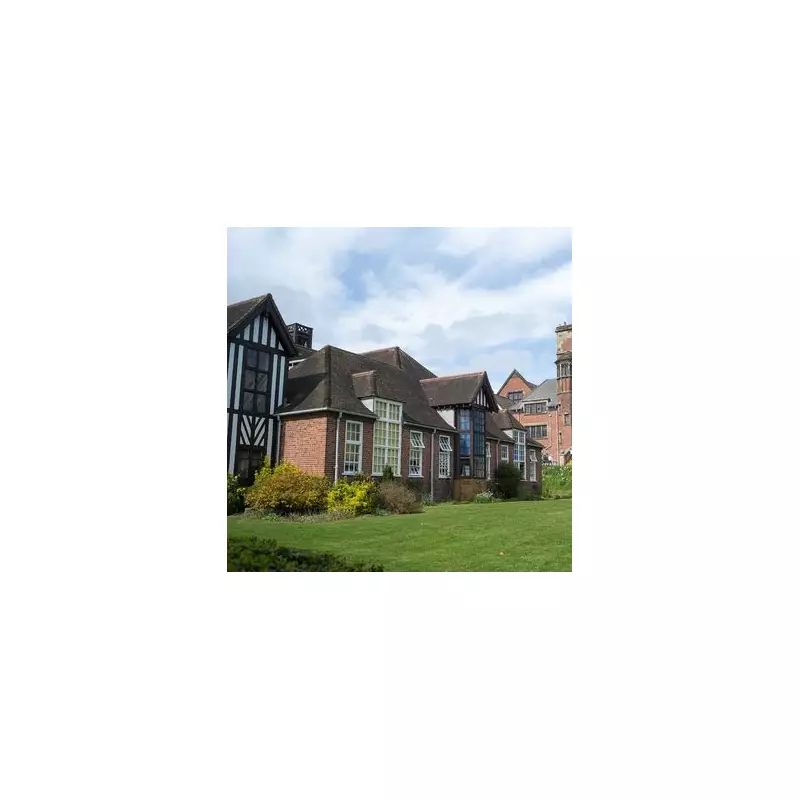
Nestled in the southwest of Birmingham, the picturesque village of Bournville stands as a living testament to its Quaker founders, the Cadbury brothers. Established in 1879 as a model village for workers from the Cadbury chocolate factory, this charming enclave continues to operate under a set of unusual and strict rules designed to preserve its distinctive character. With around 9,000 homes and 25,000 residents, Bournville offers a unique blend of historic cottages, abundant green spaces, and independent shops, all within easy reach of the city centre, yet governed by regulations that hark back to its origins.
The Origins and Naming of Bournville
The village was created when George and Richard Cadbury, makers of the UK's largest chocolate brand, relocated their factory to the area, then known as the Bournbrook Estate. They built cottages with large gardens to accommodate their workers and renamed the settlement Bournville. The name itself is derived from the Bourn stream that runs alongside the factory, combined with 'ville', meaning 'town' in French. Interestingly, this same moniker was later used for Cadbury's dark chocolate bar, Bournville, which launched in 1908, cementing the village's connection to the iconic brand.
Strict Rules Governed by the Bournville Village Trust
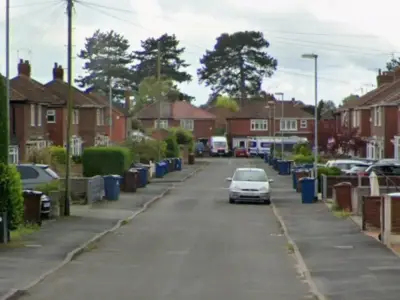
Today, the majority of properties in Bournville are owned by the Bournville Village Trust, which enforces a Design Guide outlining how homeowners must maintain their properties. In exchange, the Trust provides various community services. This guidance covers everything from house extensions and property maintenance to garden appearance, ensuring the village retains its chocolate-box aesthetic. Residents under the Trust's Scheme of Management are required to pay an annual fee for village upkeep, funding services aimed at creating and sustaining thriving communities.
The Notorious Alcohol Ban and Its Loopholes
One of the most notable rules is the ban on alcohol sales within the estate boundaries, a regulation in place since 1895. As Quakers, the Cadbury family prohibited alcohol when establishing Bournville, and to this day, no pubs or off-licences are permitted. However, a loophole exists: in 2015, Mary Vale News & Wine was introduced just outside the estate, allowing residents to purchase alcohol. While the Trust maintains that Bournville is still a 'dry village', and drinking alcohol on the street is forbidden, residents are free to consume it in the privacy of their own homes.
Property and Garden Restrictions
To preserve the village's picturesque look, residents must notify the Trust before making any changes that affect their property's external appearance. This includes alterations to homes, as well as front gardens, which must be kept well-maintained and tidy. Walls and fences are generally discouraged, and homeowners cannot put up or take down hedges, walls, or fences without prior approval. Additionally, caravans, motorhomes, trailers, commercial vehicles, or boats are not allowed on driveways; instead, they must be parked at designated storage sites.
Additional Regulations for Residents
Further rules include a prohibition on subletting properties without the Trust's prior permission. Residents must notify the Trust of their new address and the name of any tenant, ensuring new occupants understand their obligations. These measures help maintain the community's integrity and adherence to the village's founding principles.
Bournville remains a fascinating example of a planned community, where historic rules coexist with modern life, offering a glimpse into a unique way of living shaped by Quaker values and chocolate heritage.