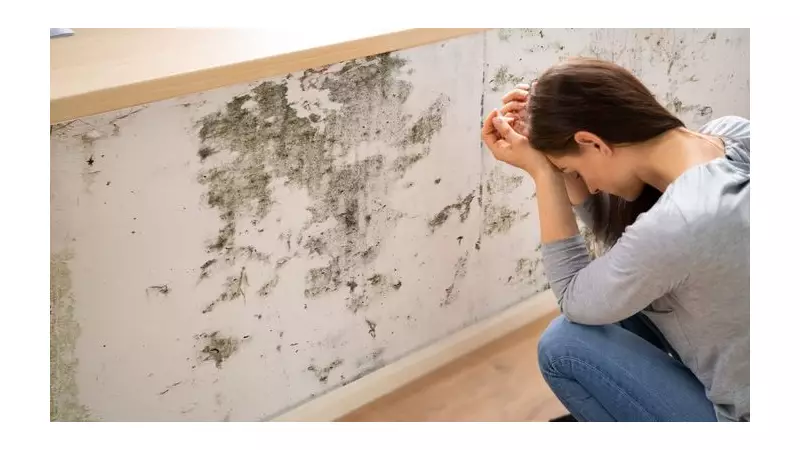
A major new report has exposed a widespread housing crisis, revealing that more than a quarter of people in the UK are living in homes blighted by damp, mould, or excessive cold.
The London Association of Directors of Public Health states that 28% of the population is affected, with medical professionals issuing stark warnings that these conditions pose a severe threat to physical and mental wellbeing, far beyond mere discomfort.
How Damp and Mould Attack Your Health
According to the report, prolonged exposure to damp, cold, and mould spores can trigger or significantly worsen a range of serious health conditions. These include respiratory illnesses like asthma, causing symptoms such as persistent coughing and wheezing.
The dangers extend further, potentially leading to cardiovascular problems like heart palpitations and exacerbating mental health conditions including stress, anxiety, and depression.
GP Dr Bhavini Shah, an online physician for LloydsPharmacy, explained that the winter months place extra strain on the body. "When temperatures drop, environments are prone to becoming damp if not heated sufficiently," she said. "This is especially problematic for people with asthma or COPD, as rapid mould growth can cause infections and worsen symptoms."
Who is Most at Risk?
GP Dr Neel Patel highlighted the groups most vulnerable to the effects of mould and damp. He warned that prolonged contact can weaken the immune system, making people more susceptible to infections.
"Babies, children, and older people are more sensitive to mould," Dr Patel stated. "Anybody with existing skin conditions like eczema, or respiratory problems such as asthma and allergies, is also at higher risk. Those with a weakened immune system, for example from chemotherapy, must stay away from damp and mould."
Health experts urge anyone who suspects their living or working environment is affecting their health to take immediate action. Ignoring the signs can lead to longer-term complications linked to poor indoor air quality.
Taking Action: Your Rights and Practical Steps
If you are concerned, the first step is to speak to a healthcare provider like your GP. Dr Patel advised that in some cases, your GP can write a letter to support further action. Your local council may also conduct an inspection to assess health and safety hazards.
Tackling the problem starts with identifying the source of excess moisture. Dr Patel explained that damp can stem from everyday condensation from cooking and showering, or from structural issues like leaking pipes or rising damp.
"If you live in a rented property, inform your landlord immediately," he stressed. Necessary repairs should be made to prevent the issue from worsening. Practical steps to reduce moisture include:
- Improving ventilation by opening windows regularly.
- Using extractor fans in steamy bathrooms and kitchens.
- Avoiding drying clothes indoors where possible.
- Ensuring your home is adequately heated and insulated.
Finally, Dr Shah reminded people to monitor seasonal illnesses closely. A common cold should not last longer than 10 days, and flu symptoms typically persist for about a week. "If you are vulnerable or have a long-term condition, consult a GP or pharmacist at the first sign of illness," she urged, as these can quickly develop into more serious problems.