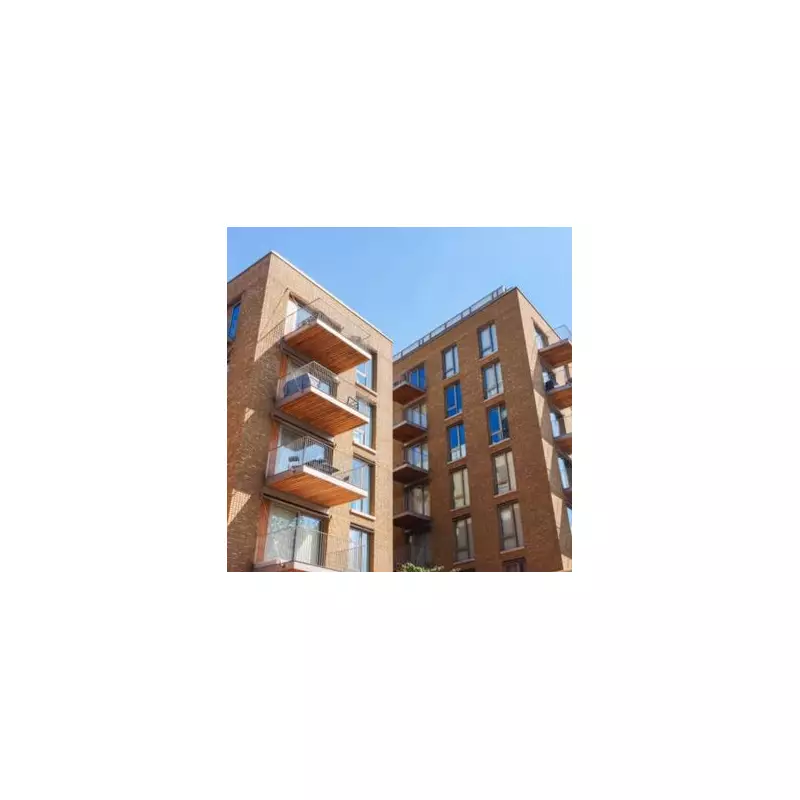
Chancellor Rachel Reeves is poised to introduce a new property levy that could see thousands of flat owners in England hit with bills of up to £6,000. The proposed charge, dubbed a 'mansion tax', will be a central feature of the Labour government's Autumn Budget, scheduled for November 26.
Who Will Be Affected by the New Charge?
The Treasury is considering additional charges for properties in the top three council tax bands, which typically target homes valued at £1.5 million or above. According to data from the estate agency Hamptons, this policy could put approximately 300,000 of England's most expensive properties at risk.
These properties are often concentrated in affluent neighbourhoods and London suburbs, including areas like Kensington and Chelsea, Westminster, and Camden. However, experts warn that the reality of the tax may not be as straightforward as it seems.
Industry Experts Voice Concerns
Tom Bill, head of UK residential research at Knight Frank, suggested the government may be pleased with the 'mansion tax' terminology but cautioned about its practical application. "The Treasury will be delighted that the term 'mansion tax' has caught on among Labour backbenchers, but it's unlikely to reflect the reality on the ground for many homes," he stated.
David Fell, a lead analyst at Hamptons, highlighted a significant issue for many flat owners. "Where these flats were bought in the last decade, in many cases, these are homes that are no longer worth what their owners originally paid for them," he explained, indicating that some owners could be taxed on perceived value rather than current market reality.
Bill raised further complications, noting that "band D and E properties could be exempt but potentially worth more than those captured in the top three bands." He also pointed out that "more expensive properties are not easy to value as they tend to be less standardised," suggesting the policy could lead to extensive legal disputes.
Political Backlash and Government Stance
The proposed surcharge has already drawn sharp criticism from the opposition. Sir Mel Stride, the Conservative shadow chancellor, condemned the measure as "a class war against Middle England."
"If Starmer and Reeves decide to introduce a new tax raid on flats and family homes, they will be punishing aspiration and hitting hard-working people," Stride argued. He called on the government to "get a grip on spending, including the welfare bill" instead of raising taxes, urging Labour to "reward work, not those on welfare."
In response to the speculation, a Treasury spokesman maintained the official line, stating: "We do not comment on tax speculation outside of fiscal events." All will be revealed when the Chancellor delivers her budget statement next week.