Birmingham's Bull Ring Market Faces Demolition as Traders Prepare for Relocation
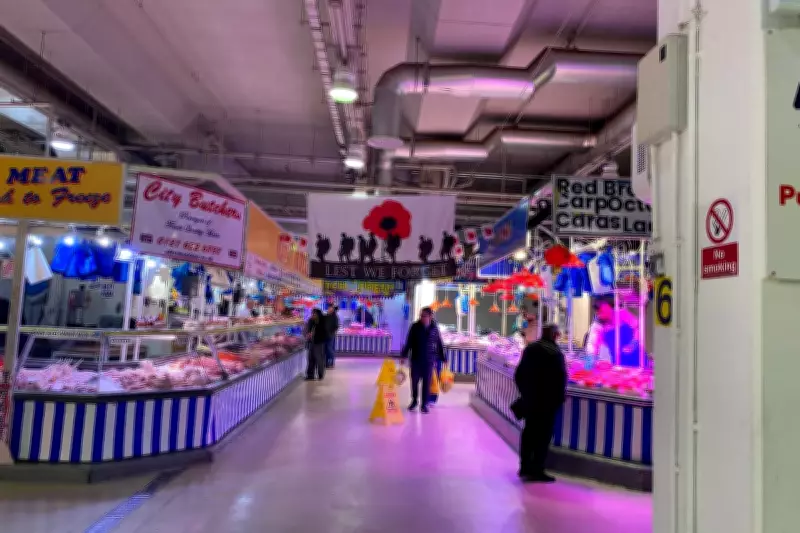
Traders operating within Birmingham's iconic Bull Ring Indoor Market building are poised to move to a new home next year, as a demolition countdown begins for the historic site. Controversial redevelopment proposals will see the market building replaced by hundreds of apartments, student bedrooms, or a combination of both, sparking significant concern among local stakeholders.
Historic Market to Make Way for Housing Development
Initial shock and unease emerged in 2024 when plans to bulldoze the Bull Ring Indoor Market were first revealed. The building has been an integral part of Birmingham's urban fabric for many years, hosting retail markets that date back to 1166. Despite its historical significance, developers behind the Edgbaston Street Gardens scheme argue the regeneration will deliver new green spaces, enhanced amenities, and improved public realm alongside commercial uses.
At three council meetings last year, persistent worries about the future of market traders were voiced, even though replacement markets were proposed. In July, the proposals were deferred and minded for refusal, but developers Hammerson successfully appealed the decision, confirming the regeneration plans will proceed.

Temporary and Permanent Market Solutions Outlined
A recently published council report acknowledges the Bullring Markets—comprising the indoor market, rag market, and open market—as "important historical assets" for Birmingham. It highlights that retail markets provide an alternative retail experience capable of generating substantial footfall and turnover when managed effectively.
The report confirms that the existing Bullring Markets will be replaced with a new "vibrant retail market complex" as part of the Smithfield development in the city centre. To facilitate this transition, traders will relocate to a temporary site within the Smithfield area, chosen for its proximity to the current location, capacity to host all three markets, and affordability.
Nick Lowe, head of markets at the council, indicated that construction on the temporary market is expected to commence later this year, with a tight deadline to complete the build. Building works could be finished by July 2027, potentially allowing the new market to open in September of that year.
Timeline and Support for Traders
Hammerson has granted an extended lease for the indoor market until late 2027, providing time to consolidate the markets into a single, purpose-built facility. The council report warns that the temporary market must be delivered by October 2027, when the current lease expires and other parts of the site are released for construction.
Trader John expressed optimism about the move, stating, "The move to this new market is something I've experienced before with regenerations in London. As regards to being a trader here, it's an exciting opportunity really to get over to this new market place. As long as everything goes alright and it goes smoothly, I'm looking forward to it—it'll be great for the city."
The council is collaborating with construction company Lendlease to develop a tailored support programme aimed at protecting the Bull Ring Markets. This initiative includes helping traders create business plans to foster growth and meet eligibility criteria for relocation. Additionally, efforts will focus on raising public awareness and increasing footfall to the temporary market location.
Developer Perspective and Future Outlook
Reacting to the successful appeal last year, Harry Badham, chief development and asset repositioning officer at Hammerson, commented, "This planning consent is a great outcome given the city's needs and priorities, especially around housing. As long-term backers of Birmingham, we know the potential growth that is achieved with targeted investment and regeneration."
The transition marks a significant chapter in Birmingham's urban evolution, balancing historical preservation with modern development needs. As demolition plans advance, the focus remains on ensuring a smooth relocation for traders and maintaining the vibrant market culture that has defined the city for centuries.