The Enduring Significance of Henna in Eid al-Fitr Celebrations
With Eid al-Fitr approaching rapidly, Muslims nationwide are preparing to mark the end of Ramadan, and one tradition continues to flourish vibrantly as ever. Mehndi, commonly known as henna, is derived from the leaves of the Lawsonia inermis shrub and has served for millennia as a medium for skin decoration, hair dyeing, and fabric coloring.
A Sacred Practice with Deep Roots
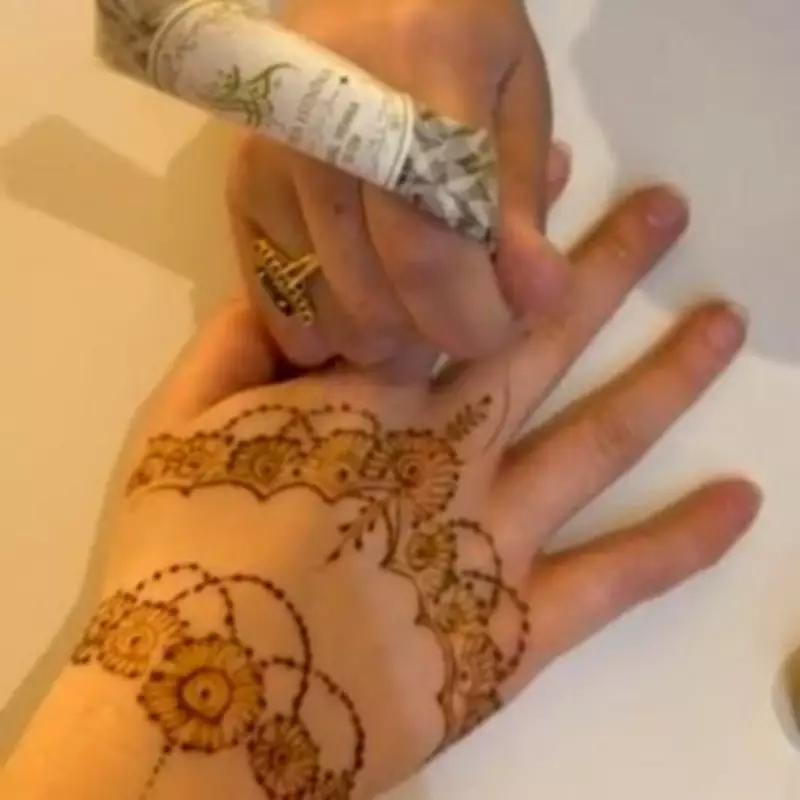
What makes henna particularly special during Eid is its application on those celebrating Ramadan's conclusion, with elaborate designs often lasting on the skin for approximately two weeks. This custom is regarded as sunnah in Islam, emulating the Prophet Muhammad (peace be upon him), who frequently used henna in his beard and hair.
However, henna transcends religious boundaries, representing a cultural tradition that spans thousands of years and reaches across the globe. Alisha Khan, a henna artist and teenage entrepreneur from Birmingham, elaborated on the origins of this practice in an interview.
Historical and Cultural Connections
The 18-year-old highlighted that henna dates back to ancient civilizations, including the Egyptians, where it was employed as a beauty treatment and valued for its cooling properties. "People used to dye their hair with it, their hands, just to beautify themselves," she noted.
While ancient customs are intertwined with henna, Alisha emphasized that Eid celebrations drive many to seek her services for adorning the backs of their hands and palms. She pointed out that henna is not exclusive to Islam, being present in nearly every religion, such as Hinduism and Sikhism.
"I feel like it's in every religion," Alisha stated, "especially Hinduism, Sikhism [and others]. I think even across the whole world; in North Africa, South Asia, everywhere has their own style of henna, which I find really really nice. It's not just South Asians who do it [the practice]."
Alisha currently practices her henna artistry at Art.Quarter in Digbeth, contributing to the rich tapestry of this enduring tradition as communities unite in celebration.