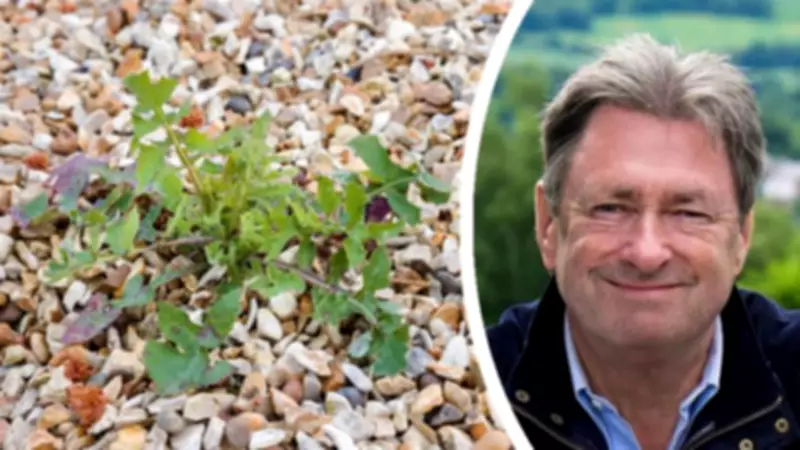
Weeds only begin growing once they get sufficient sunlight, which explains why countless numbers seem to suddenly emerge in spring. But that same life-giving warmth can also be used to kill them, according to gardening expert Alan Titchmarsh.
The Role of Weeds and Common Removal Methods
Weeds play a crucial role in the ecosystem and some can be used medicinally, however, few people want them running rampant across gravel drives or popping up between patio slabs. Removing these weeds is a constant battle, as they come back time and time again. Many avoid toxic weedkillers and opt for white vinegar, bicarbonate of soda or salt, but they are not without risk. The household products are non-selective and persistent, meaning they can unintentionally damage your soil health and kill nearby plants or grass.
More on weeds: 5 flowers that naturally smother garden weeds and stop them growing back; the scientifically proven times to spray weed killer and when NOT to do it.

Alan Titchmarsh's Chemical-Free Method
However, Alan's method destroys weeds without using any chemicals – all you need is a sharp implement or two and a sunny day, according to his YouTube video. First he turned his attention to gravel paths and drives, which are the most perfect seed bed for annual weeds.
Weeds in Gravel
"The seeds drop down, they go underneath the little bits of stone where it's nice and damp and shady, then up they come and you get this rash of weed growth," said Alan. To get rid of them, he suggested 'skimming' the gravel with a Dutch hoe. The metal edge will slice through the weed and separate it from its root. "That way it will cook once it's exposed to sunshine," said Alan. He added: "The more of the weed root you can expose to the drying rays of the sun, the quicker they will die."
Patio Weeds
Alan then moved on to dealing with paving slabs, although his technique would work equally well on brick paths. Most hard landscaping has a thick sub-base that makes it very difficult for plants to push through from underneath. However, the sand or mortar between the slabs wears away due to rain, wind and sweeping. The narrow gaps trap wind-blown soil, decaying organic matter (like dead leaves or grass clippings) and airborne seeds from dandelions, thistles, and grasses. The slabs then protect young seedlings – however, they can be dislodged with a patio knife. "You can just skim along those channels where the pointing should be and get rid of the weeds," said Alan. Re-filling the gaps with paving sand will help prevent weeds reappearing too quickly.
Recommended Tools and Products
Get weeding with these tools: Save 67% on the Spear & Jackson Dutch Hoe, now £15 on Amazon. Two chamfered edges so you can hoe on both the forward and the backward stroke, to cut through roots of weeds under the surface. The Hawksmoor Patio Knife costs £4.99 at Toolstation. The 300mm weeder has a strong, stainless steel L-shaped head, ergonomic handle and large hanging hole. The 3-in-1 Long Handle Patio Weeder is down to £16.99 on Amazon. Adjustable stainless steel handle (40 to 150cm) with two weed scraper heads and brass bristle wire brush. A large bag of Kiln Dried Paving Sand costs £6.70 at B&Q and will cover 5sqm. For filling joints between paving slabs, block paving and patio stones. Prices correct at the time of publication.
Read next: Invasive Spanish bluebells are threatening our native variety - dig up and destroy them; £25 seed box has excellent variety of herbs, vegetables and flowers; How to choose the best mulch to protect your garden this spring.