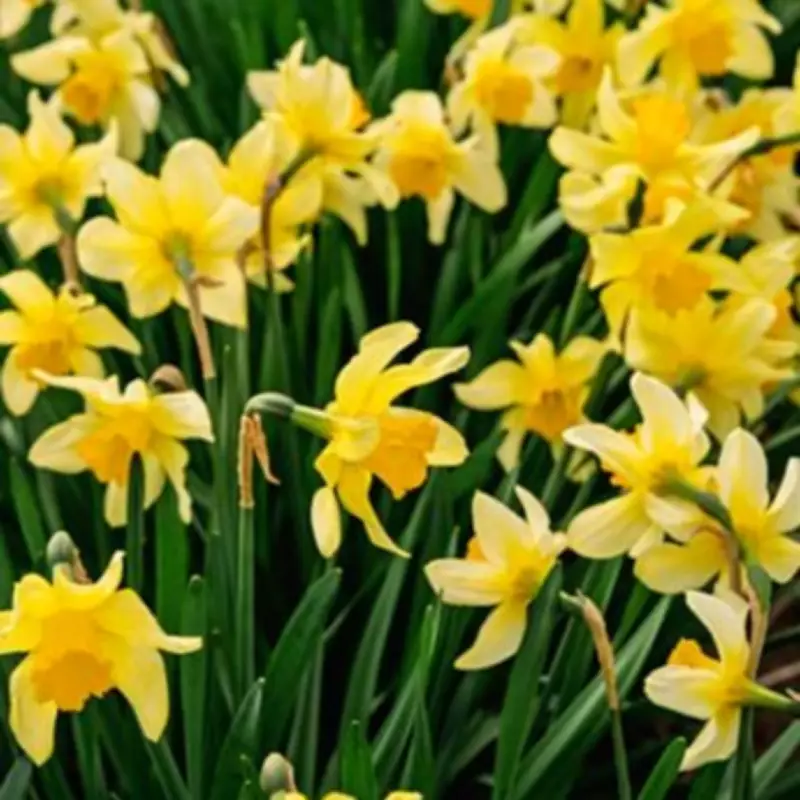
Simple April Task for Daffodil Gardens Promises Better Blooms
Households across the UK with daffodils in their gardens are being urged to perform a straightforward task this April to ensure a spectacular floral display next spring. Gardeners should deadhead the faded flowers once blooming has finished, a practice recommended by the Royal Horticultural Society (RHS) to enhance plant health and future flowering.
Why Deadheading Matters for Daffodils
The RHS explains that deadheading helps redirect the plant's energy back into the bulb rather than seed production, which is crucial for a good flowering display in the following year. This simple maintenance step not only supports bulb development but also keeps the garden looking tidy and vibrant during the spring season.
Newly planted daffodils typically grow and flower well initially, but in subsequent years, flowering may become reduced or fail entirely, even if the leaves appear healthy and abundant. This condition, where daffodils produce foliage but no flowers, is known as blindness.

Addressing Daffodil Blindness
Blindness in daffodils can result from various factors, including growing conditions, pests, and diseases. The RHS highlights that with changing weather patterns and drier springs due to climate change, inadequate watering has become the most common cause of daffodil blindness in the UK.
To combat this, the RHS advises: When the weather is dry after flowering, water thoroughly to keep the ground moist until the foliage starts to die down naturally. This ensures the bulbs receive sufficient moisture to store energy for the next blooming cycle.
Additional Care Tips for Healthy Daffodils
For daffodils experiencing a rapid decline in flowering, feeding the bulbs can be beneficial. The RHS recommends applying a granular seaweed fertiliser in spring as growing points emerge, following the packet instructions for even distribution around the bulbs.
After flowering, especially for container-grown bulbs, use a high potassium liquid feed, such as tomato food, at one- to two-week intervals from when blooms fade until foliage shows signs of yellowing. This helps strengthen the bulbs for future growth.
If overcrowding is an issue, lift the bulbs when foliage dies back in summer. Improve the soil with homemade compost and replant with a 5-7.5cm (2-3 inch) gap between each bulb to prevent competition for nutrients. Smaller bulbs should be replanted in more fertile soil to encourage development.
Dealing with Pests and Proper Disposal
In cases where narcissus bulb fly is suspected, bulbs can be lifted and inspected for larvae or signs of attack. Affected bulbs should be disposed of in council green waste collection rather than on compost heaps to prevent the spread of pests.
By following these simple steps, gardeners can maintain healthy daffodil displays year after year, contributing to a more beautiful and resilient garden environment.