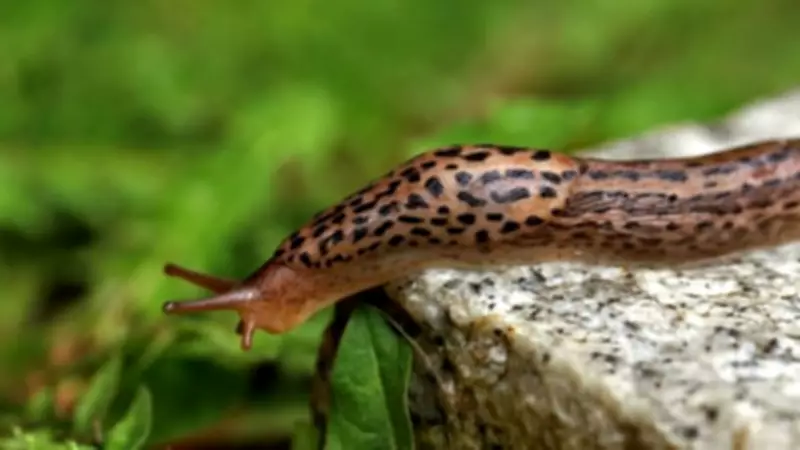
If there is one creature that gardeners despise, it is the slug. These slimy invaders can undo months of hard work in a single night, leaving behind tattered hostas and destroyed vegetable seedlings. Gardeners have tried countless methods to combat them, from copper tape wrapped around pots to homemade garlic sprays, beer traps, and the seemingly most effective method of hand-picking them after dark. However, not all slugs are harmful. Of the approximately 40 species found in the UK, fewer than 20 percent feed on living plants. Despite their unappealing appearance, the Royal Horticultural Society officially removed slugs from the pest list in 2022. To effectively manage their population, it is crucial to distinguish between beneficial and damaging slugs.
Understanding Slugs in the Ecosystem
The Royal Horticultural Society states that the majority of slugs and snails contribute positively to the garden ecosystem. They compost waste, clear algae, and provide a protein-rich food source for hedgehogs, frogs, and birds. When identifying good versus bad slugs, size matters: larger slugs measuring 10 centimetres or more are generally beneficial.
Beneficial Slugs
Leopard Slug: This is the king of beneficial slugs and a hero in the compost bin. It can grow up to 16 centimetres in length and has a pale grey or brown body with distinct brown or black spots. Leopard slugs are highly territorial and aggressive towards other gastropods. The Game and Wildlife Conservation Trust explains: 'These slugs do minimal damage to living plants, as they primarily consume dead and rotting vegetation along with fungi, which helps recycle nutrients and fertilise the soil. However, the most remarkable trait of leopard slugs is that they are omnivorous and actively hunt other slugs, overpowering them with a top speed of 6 inches per minute.'

Cellar Slug: These green or yellow slugs feed on decaying plant material and can grow to about 10 centimetres long, with bluish tentacles. They are often found under damp wood or cardboard, inside or under compost bin lids, in cellars, greenhouses, or near damp sinks. Cellar slugs graze on algae and lichen that grow on damp brickwork, patio slabs, and tree bark. They help keep paths clean and prevent slippery buildup without damaging structures or nearby plants.
Harmful Slugs
Grey Field Slug: Watch out for this menace, which remains active in near-freezing temperatures and breeds all year round, unlike other slugs. It grows to about 5 centimetres long and is grey, fawn, or mottled brown, producing a distinctive milky-white slime when touched. Grey field slugs are surface feeders with an insatiable appetite for soft, juicy growth. They are the primary culprits behind young plants being ravaged overnight, leaving thick silvery slime trails on any remaining foliage.
Keeled Slug: These slugs grow to about 7 centimetres and are usually dark brown or grey with a visible ridge, or keel, running down the centre of their back in a lighter colour. They live underground, making them difficult to detect or deter using standard surface methods like copper tape or grit barriers. Keeled slugs have a taste for roots, tubers, and bulbs. They are notoriously hated by vegetable growers because they bore deep into main-crop potatoes, carrots, and parsnips, leaving a network of hollow, mud-filled, slimy tunnels.
Deterring Slugs and Snails
Several products can help protect your garden. A 25-metre roll of Adhesive Copper Slug Tape costs £6.99 on Amazon and creates a protective barrier for pots, containers, greenhouse staging, and cold frames. Grazers' Woolch wool mulch, priced at £14.99 from Crocus, is made from shredded British wool and deters slugs, suppresses weeds, and protects roots. A pack of Nematode Slug Killer costs £17.99 from Thompson & Morgan and provides six weeks of biological control over 40 square metres, safe for children, pets, and wildlife. EcoWidow's Slug and Snail Repellent Spray costs £15.99 on Amazon and is suitable for indoor and outdoor use, infused with lavender, clove oil, and pine oil. Richard Jackson Organic Slug and Snail Control Pellets cost £11.99 on Amazon and are safe for use around edible plants, vegetables, fruits, and herbs. Prices are correct at the time of publication.