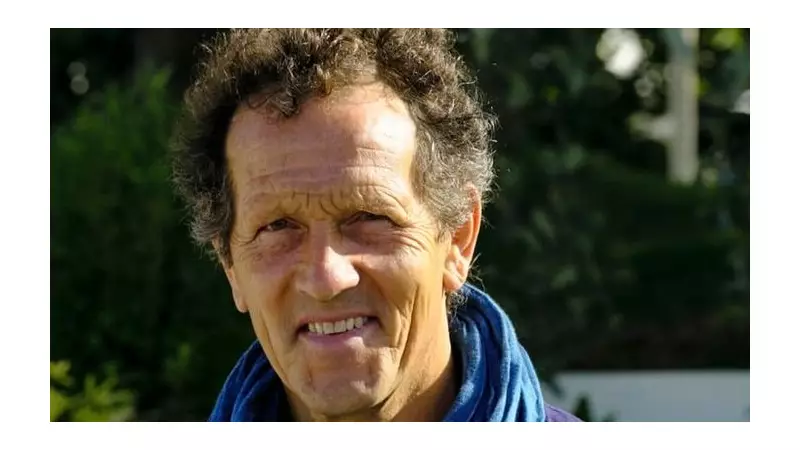
For millions of viewers, Monty Don's Longmeadow is the quintessential British garden, a picture-perfect backdrop to the BBC's Gardeners' World. Yet, according to the man himself, this beloved Herefordshire plot is a project that is never truly complete.
The Philosophy of a Perpetual Garden
Speaking on the BBC Gardeners' World Podcast, the esteemed horticulturist dismissed the very idea of a 'finished' garden. "The most stupid thing anyone can ever say about a garden is 'oh we've finished it'", Monty stated. He likened a garden to a natural force, explaining, "It's like saying a river is finished, or a cloud has finished. It's a completely moveable, fluid, variable, changeable thing."
This philosophy is at the heart of Longmeadow's appeal on the programme, which Monty has presented since 2003. The garden's diverse planting and dramatic seasonal shifts are central to the show, offering a living textbook of techniques and inspiration drawn directly from its two acres.

From Nettles to Paradise: A Joint Creation
The journey began in 1991, when Monty and his wife Sarah moved to Ivington in Herefordshire. The land that would become the world-famous Longmeadow was then just rough grass, nettles, and brambles, featuring a single hazel tree where the Spring Garden now thrives.
Monty is quick to refuse sole credit for the transformation. "Longmeadow is not my garden, Longmeadow is our garden and she and I did it together," he insists. The couple have developed a symbiotic working relationship, playing to their individual strengths. Monty generally focuses on design, structure, and the physical planting, while he credits Sarah with an exceptional eye for detail and colour.
"She has perfect pitch when it comes to colour, which is quite a rare thing," he said, adding that he has learned much about colour from her. Her instinct for proportion is so trusted that Monty recounted once moving an entire hedge one foot on her suggestion after she returned home.
A Living, Evolving Tapestry
Today, the abandoned field is a tapestry of distinct areas, each with its own character. Visitors and viewers are familiar with the Walled Garden, Cottage Garden, Jewel Garden, Paradise Garden, and Vegetable Garden. Yet, for Monty, these are not static exhibits but chapters in an ongoing story.
"The thing I love about gardens is they don't stay the same, ever," he remarked. This embrace of constant evolution is what keeps Longmeadow, and Monty's passion for it, forever fresh. He concluded with a hopeful note that captures his entire ethos: "So Longmeadow is great today and I hope it's great tomorrow."