Prince Andrew Crescent: A Birmingham Street Where Royalty Remains
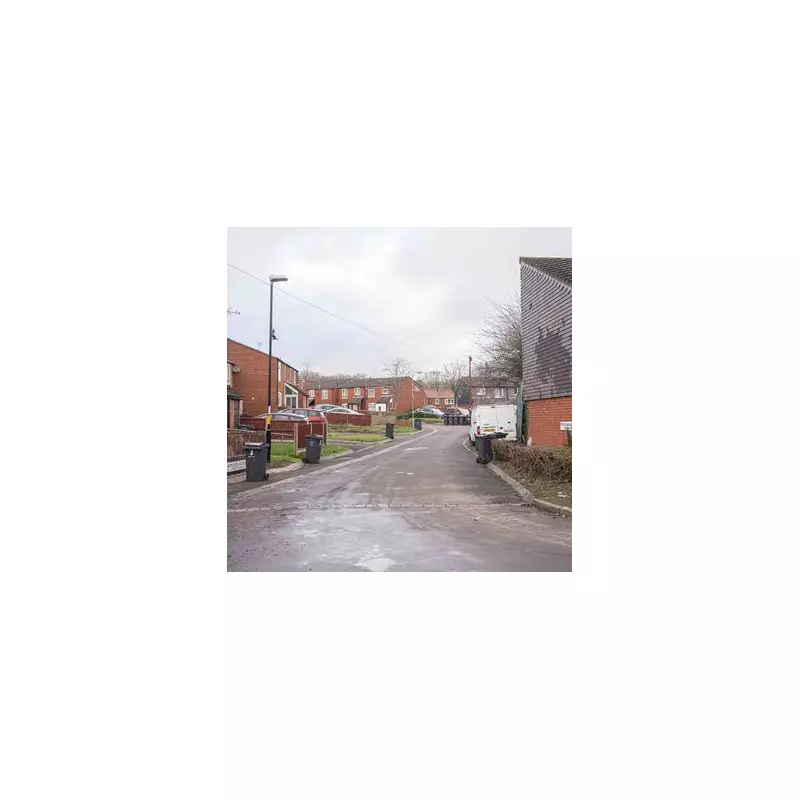
In a quiet corner of Birmingham, a unique perspective on royalty persists despite national controversy. Residents of Prince Andrew Crescent in Rubery have voiced their determination to retain their street's name, offering what may be one of the final bastions of recognition for Andrew Mountbatten-Windsor following his loss of royal privileges.
A Community United in Tradition
The housing estate, which forms part of a royal-themed neighbourhood featuring Prince Edward Drive, Prince Charles Close, and Prince Philip Close, represents a microcosm where traditional naming conventions endure. For the inhabitants of Prince Andrew Crescent, the practical implications of a name change outweigh the political symbolism associated with the former prince's tarnished reputation.
Tony Farrell, a long-term resident and former Rover factory worker, articulated a common sentiment: "If they changed the name, I'd always think of Prince Andrew Crescent. Postal stuff like that would be a concern for me also. I think most people on this street would want to keep it as it is." His views reflect broader concerns about administrative disruption and personal attachment to the address that has defined their community for decades.

Voices From the Crescent
Multiple residents, preferring anonymity, echoed similar practical and philosophical positions. One woman offered a theological perspective: "I won't judge him. Only God can judge him. I have been here ever since it was built, there's no point changing the name. Newspapers made more of it than what it actually was."
Another neighbour emphasised the inconvenience of alteration: "We aren't fussed to be honest and wouldn't want the hassle. What would we change it to? Andrew Mountbatten Way? We're perfectly fine living on the road and aren't really bothered." This pragmatic approach highlights how local concerns often diverge from national narratives.
Diverging Opinions and Precedents
Not all local voices align with this stance. Leanne Norton-Willetts, a Rubery resident living near the crescent, expressed strong opposition: "I'm on board with a name change on the street. I work in criminal justice and I don't think I'd want to be a resident on that road. I certainly wouldn't buy a house in a street with that name." Her professional background informs her desire for dissociation from the prince's associations.
The debate occurs against a backdrop of precedent, following Carrickfergus in Northern Ireland's decision to rename its Prince Andrew Way last year. This national context adds weight to discussions about whether Birmingham will follow suit or maintain its current nomenclature.
The Enduring Legacy of Street Names
Prince Andrew Crescent stands among numerous UK streets bearing the former prince's name, serving as a tangible reminder of how urban landscapes preserve historical and cultural references. The residents' collective voice demonstrates how community identity can become intertwined with seemingly mundane aspects like postal addresses, creating resistance to change even when prompted by significant external events.
As Birmingham continues to evolve, this small crescent in Rubery represents more than just a thoroughfare; it embodies a complex intersection of loyalty, practicality, and social perception that will likely fuel ongoing conversations about memory, reputation, and place-making in contemporary Britain.