Birmingham's Jamaican Community Mobilises After Hurricane Devastation
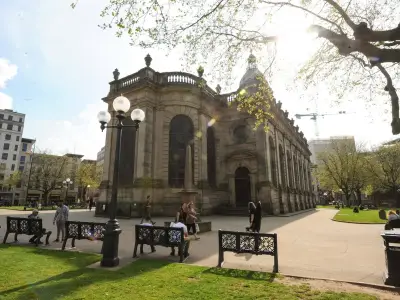
When Hurricane Melissa struck Jamaica as a Category 5 storm, it left a trail of destruction that resonated thousands of miles away in Birmingham, home to one of the UK's largest Jamaican diaspora communities. The initial social media bravado, with posts declaring 'Jamaica cyaah done!', quickly turned to desperate attempts to contact loved ones as communications failed and floodwaters rose.
A Diaspora in Shock Responds with Action
The storm's impact was particularly severe in St Elizabeth, Jamaica's breadbasket, and Westmoreland, with implications for food security expected to last for years. For Birmingham residents with family on the island, the wait for news was agonising. Danica Perrin from Wolverhampton received a harrowing voice note from her cousin, Jah Fucha, in Claremont, Hanover parish, describing how 'the roar of the wind' drowned out his voice as he reported no food, no shelter, and dead bodies trapped in debris.
Great Barr resident Carol Hodgson learned her nephew Daimon, his wife and their three children in Westmoreland had their wooden home reduced to a concrete floor by 185mph winds. They didn't receive fresh water or aid until nine days after the storm hit. Daimon is now clearing roads for no pay while his wife cares for their children.

Community Organising in Birmingham Gathers Pace
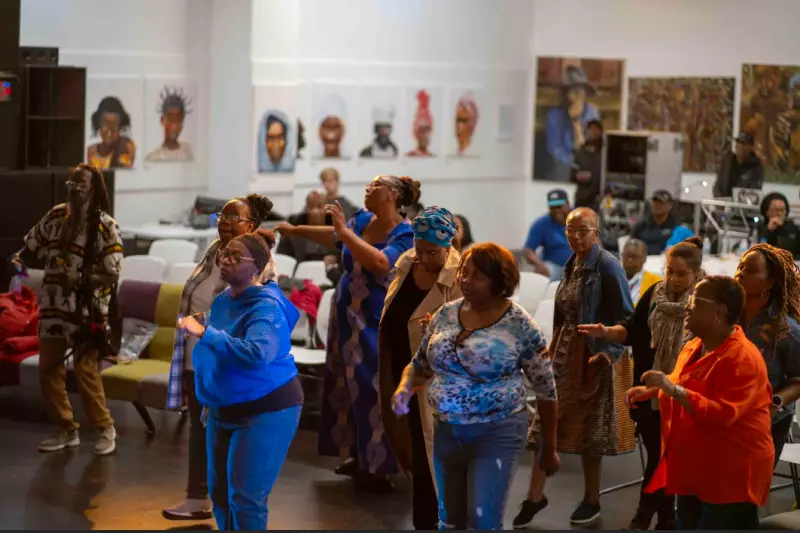
Across Birmingham, mobilisation began before the winds had stopped. The Legacy Centre of Excellence in Aston hosted a town hall to steer the community response and dedicated its annual Roots Festival on Saturday 15 November to hurricane relief, with 50% of ticket sales proceeds going to Jamaica.
The centre's head of programming, Nana Akua Serwaa Asantewaa, reported about 50% of staff have relatives affected by the hurricane, explaining 'People are helping because it's literally their home.' The response was so overwhelming that at its peak, volunteers couldn't move in the donation room.
West Bromwich-based JLB Shipping was filled with volunteers packing aid for shipment, while individuals like Winston Gayle set up donation points in lock-ups on Soho Hill. Gayle plans to travel to Jamaica in January to personally distribute 250 aid packs to hurricane victims.
Climate Justice and the Path Forward
The disaster has sparked deeper conversations about climate responsibility. Dr Leon Sealey-Huggins, a senior campaigner at War on Want currently at the COP summit, noted there's unequivocal evidence that storms are becoming more intense as the climate warms. He highlighted that while a climate loss and damage fund exists, Jamaica needs at least $7 billion to recover from Melissa - far more than the fund contains.
Carol Hodgson fears international attention is already shifting away from Jamaica's crisis, despite the Windrush generation's contributions to the UK. The community response has reignited a powerful sense of solidarity among Birmingham's Jamaican community, with social media buzzing with donation drives and missing-person networks reconnecting people after years apart.
As the Jamaican saying goes, 'Wi likkle but wi tallawah' - we are small but mighty. The question now is not only how to rebuild Jamaica, but how to strengthen these community bonds in Birmingham beyond the immediate crisis.