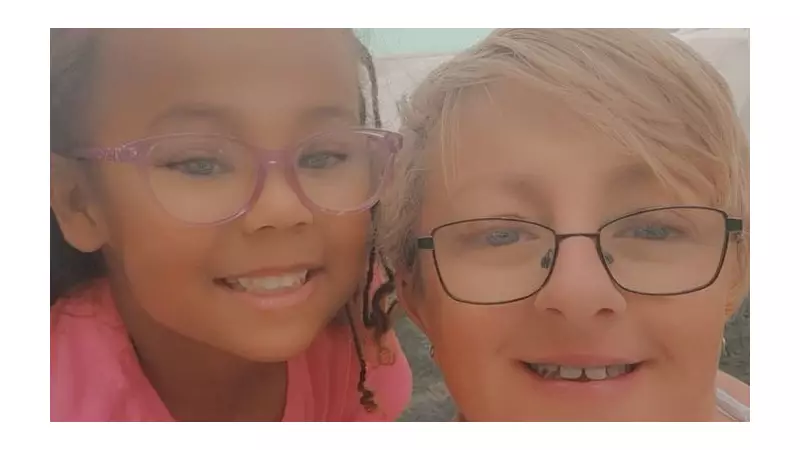
Hayley Foster always felt a deep desire to care for children, but she never imagined she would follow so directly in her parents' footsteps. Now 36 and living with the genetic condition osteogenesis imperfecta, or brittle bone disease, she has not only become a foster carer herself but has also adopted a daughter who first came into her parents' care as a baby.
Inspired by a Family Legacy of Care
Watching her parents, Carol and Paul, transform young lives through fostering inspired Hayley to provide the same stability and love. She recalls a family discussion years ago where her parents asked her and her siblings about the possibility of fostering. The response was immediate and unanimous: having enjoyed a happy upbringing themselves, they wanted to offer that same chance to a child who had not been so fortunate.
The nervous excitement of welcoming their first placement quickly turned to joy, and Hayley knew then that fostering was a path she wanted to pursue once she had her own home. Growing up with her condition, she had assumed motherhood might not be possible, fearing she could pass it on. Fostering presented itself as a perfect alternative.

An Unbreakable Bond Leads to Adoption
Hayley's journey took a personal turn in 2020 when a six-week-old baby named Shirley was placed in her parents' care. Hayley bonded with the infant instantly. After securing her own home, she made the life-changing decision to adopt Shirley, giving the little girl a permanent, 'forever home'.
"I thought, well, I'm on my own anyway... so why not? There are all these children out there (that need homes)," Hayley explained. She began the formal adoption process when Shirley was nearly two years old. Although another family had initially been considered, that plan did not work out. Hayley was steadfast, insisting Shirley should remain with the family she already knew and loved. "She's part of this family, we all love her to bits," she said.
Disability as a Driver, Not a Barrier
Hayley admits the adoption process felt intense at times, worrying she might let Shirley down. However, medication now allows her to live independently, and social workers reassured her that a disability does not preclude someone from being an excellent carer. In fact, Hayley believes her condition has fuelled her determination.
"My disability has (given me the attitude of) if you tell me I can't do something, I'll prove a way to do it," she stated. "They told my mum I'd never walk, and now I've got my own house. I've got Shirley. I've got a foster child in my house as well."
Just six months after the adoption was finalised, Hayley opened her home to other children through respite care. She was cautious, wanting to ensure Shirley was comfortable. After only two short placements, Shirley's poignant question—"Mummy, why can't they stay?"—confirmed that her daughter was ready to share their home and heart.
Now fully approved through the National Fostering Group, Hayley is providing a temporary home for a young girl, a placement that could last up to two years. She remains open to adopting again if she feels the same powerful connection she did with Shirley, but her current focus is on offering a safe, loving landing place for children in need.
Hayley has a clear message for potential foster carers: "There's not enough foster carers out there. If you've got a spare bedroom and a house full of love, then definitely give it a go. It's not always easy, but it's definitely worth it."