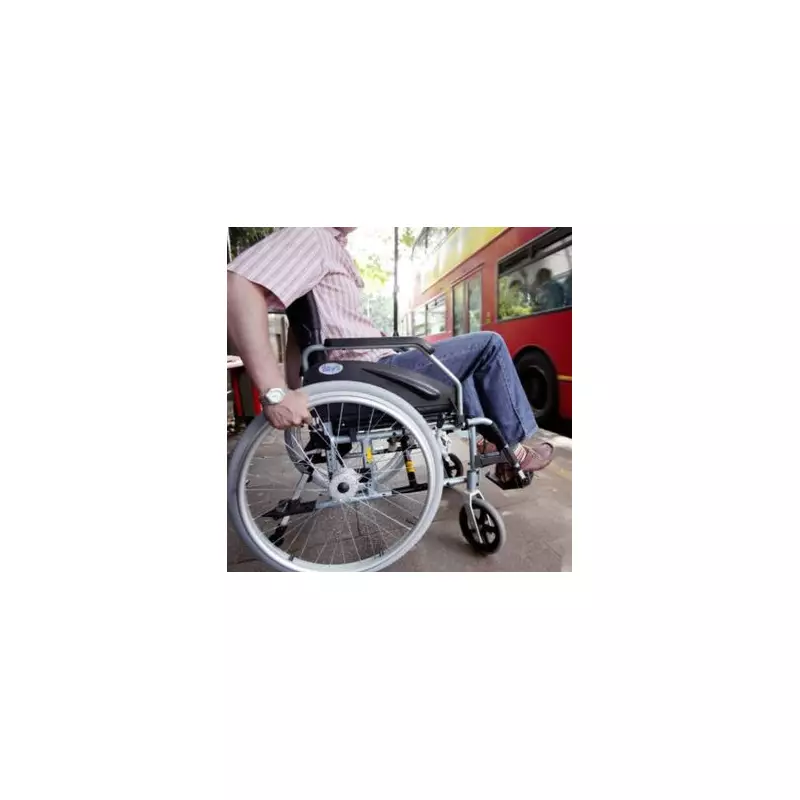
New data reveals that a significant number of people across the UK could be eligible for a vital Department for Work and Pensions (DWP) benefit worth thousands of pounds without even realising it.
What is Attendance Allowance and who qualifies?
Attendance Allowance is a tax-free benefit designed to help people over the state pension age, currently 66, who have a severe physical or mental disability or illness. The financial support is intended to assist with the extra costs of personal care, whether that supervision is required during the day, at night, or both.
The benefit is paid at two different weekly rates. The lower rate is £73.90 per week for those who need help during the day or night. The higher rate of £110.40 per week is for individuals who require help both day and night, or who are terminally ill. Over a full year, the higher rate amounts to a substantial £5,740.80.

The extensive list of 48 qualifying conditions
DWP statistics show that while 1.7 million pensioners already claim this support, many more might be entitled. Eligibility is based on the level of care needed, not solely on a specific diagnosis. However, claims are currently being processed for a wide range of 48 health conditions.
Arthritis is the most commonly claimed condition, with over 480,000 recipients on the Attendance Allowance register. The full list is broad and includes both physical and mental health challenges.
- AIDS
- Alcohol and Drug Abuse
- Arthritis
- Asthma
- Back Pain
- Bacterial disease
- Behavioral Disorder
- Blood Disorders
- Bowel and Stomach Disease
- Cerebrovascular Disease
- Chronic Pain Syndromes
- Cognitive disorder
- Coronavirus (COVID-19)
- Cystic Fibrosis
- Dementia
- Diabetes Mellitus
- Disease Of The Muscles, Bones or Joints
- Epilepsy
- Frailty
- Haemodialysis
- Haemophilia
- Hearing Disorders
- Heart Disease
- Hyperkinetic Syndrome
- Inflammatory Bowel Disease
- Learning Difficulties
- Major Trauma
- Malignant Disease
- Metabolic Disease
- Motor Neurone Disease
- Multi System Disorders
- Multiple Allergy Syndrome
- Multiple Sclerosis
- Neurological Diseases
- Parkinson's
- Peripheral vascular Disease
- Personality Disorder
- Psychoneurosis
- Psychosis
- Renal Disorders
- Respiratory Disorders
- Skin Disease
- Spondylosis
- Trauma to Limbs
- Traumatic Paraplegia
- Tuberculosis
- Viral disease
- Visual Disorders
It is crucial to understand that this list is not a definitive checklist. The DWP assesses each application on a case-by-case basis, focusing on the individual's specific care needs arising from their condition.
How to claim and what it means for you
The allowance is typically paid directly into a bank account every four weeks, and it does not affect other retirement income like the State Pension. Importantly, it is not means-tested, so savings and income from pensions do not disqualify an applicant.
For those who believe they or a family member might be eligible, the first step is to obtain a claim form from the GOV.UK website or by calling the DWP's Attendance Allowance helpline. The process involves detailing how the illness or disability impacts daily life and the kind of supervision or help required.
Securing this benefit can make a profound difference, providing essential funds for care costs, mobility aids, or heating bills, thereby helping older people with health challenges maintain their independence and quality of life.