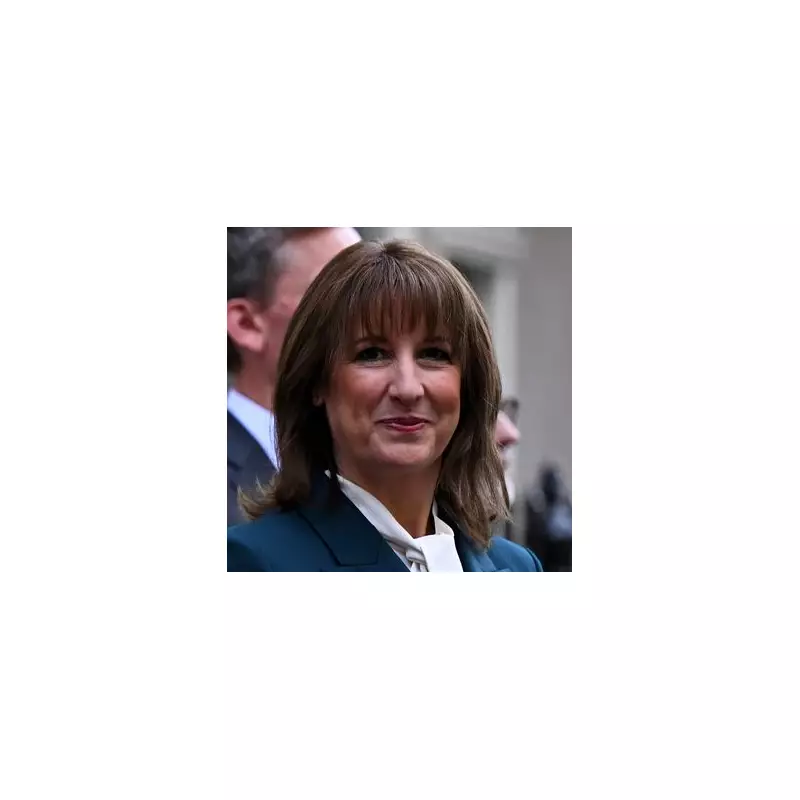
Chancellor of the Exchequer Rachel Reeves has announced a significant tax reprieve for older individuals relying solely on the state pension, confirming they will not be required to pay income tax during the current Parliament.
Pressure Mounts Over Frozen Tax Bands
The decision comes after mounting pressure on the government concerning the impact of frozen tax thresholds on pensioners with limited incomes. The issue had been brought into sharp focus because the full state pension has been steadily rising closer to the personal allowance limit of £12,570, the point at which income tax becomes payable.
This situation, known as fiscal drag, was set to pull more people into the tax net as their incomes nominally increased while tax bands remained static. Following her Budget announcement to extend the freeze on tax bands, Ms Reeves faced criticism over the potential effect on poorer retirees.

A Guarantee for Sole-Income Pensioners
In a move to directly address these concerns, the Chancellor has now provided clear assurances. During an interview with consumer champion Martin Lewis, Ms Reeves explicitly confirmed that "in this Parliament, they won't have to pay the tax."
This guarantee specifically applies to retirees for whom the state pension is their only source of income. Without this intervention, these individuals faced the prospect of becoming taxpayers from 2027 as the state pension amount was projected to exceed the frozen personal allowance.
Broader Impact of Fiscal Drag
While this measure offers targeted relief for a vulnerable group, the wider implications of frozen tax bands remain. The policy of fiscal drag means that millions of other households across the UK will still pay more tax over time as earnings growth pushes them into higher tax brackets.
The Chancellor will hope this focused announcement quiets the political controversy surrounding poorer pensioners and taxation. It represents a calculated intervention aimed at shielding those deemed most financially vulnerable from the broader effects of the government's fiscal strategy.