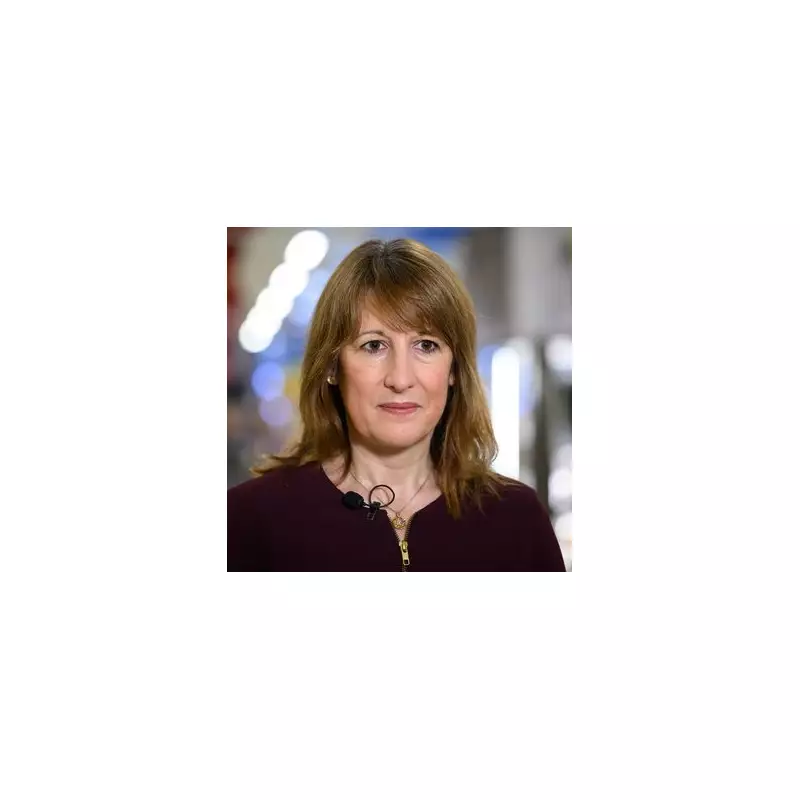
Chancellor Rachel Reeves is facing a backlash over a Budget decision that experts warn will effectively penalise older Britons who have modest private pensions alongside their state entitlement.
The Frozen Threshold Trap
The core of the issue lies in the government's controversial policy to keep income tax bands frozen. The personal allowance – the point at which people start paying income tax – is fixed at £12,570. Meanwhile, the state pension continues to rise under the triple lock mechanism.
This combination means the state pension is projected to exceed the personal allowance threshold in 2027. While the Chancellor has confirmed that retirees whose sole income is the state pension will not be taxed, a different rule applies to those with additional income.

Who Will Be Affected?
Retirees with any private pension income, regardless of how small, will face having to pay income tax once their total income passes the £12,570 limit. Many are expected to cross this threshold as early as 2026, or are already above it.
Derence Lee, chief finance officer at Shepherds Friendly, highlighted the growing concern. "Due to the extremely high levels of inflation the UK has experienced since 2020, state pensions have been increasing at a rate that some experts believe to be unsustainable in the long term," he said.
Significant Financial Implications
Lee warned that the move could have severe consequences for household budgets. "With pensions expected to surpass the frozen tax-free allowance, more retirees will be pushed into the tax-paying bracket," he explained.
He urged pensioners to plan ahead: "As a result, pensioners should begin to take into account that they may soon need to pay income tax on their pensions should no changes be made to current status-quo."
The analyst pointed out a bitter irony: "Whilst the triple lock has been helpful in ensuring retirees’ incomes keep up with the cost of living, taxing pensioners could have significant financial implications, particularly for those who rely heavily on their pensions to cover essential living costs and make ends meet."
The decision, made during the recent Budget, has sparked a debate on intergenerational fairness and the fiscal treatment of those who have saved small additional sums for their retirement.