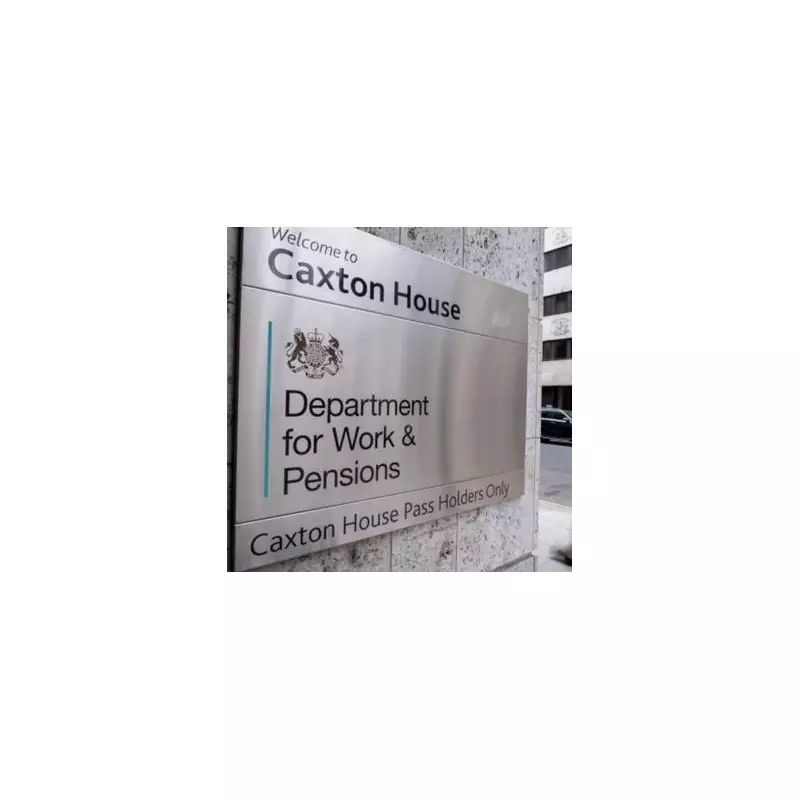
Thousands of state pensioners across the UK are receiving a significant payment of £921 this November from the Department for Work and Pensions (DWP). This payment is part of the regular four-weekly cycle for retirees, administered throughout the penultimate month of the year.
Understanding Your State Pension Payment Date
The exact date your pension lands in your account is determined by a simple code within your National Insurance number. You need to check the last two digits of your number to find out which day of the week you will be paid.
Here is the official schedule:

- Digits 00 to 19: Payment on Monday
- Digits 20 to 39: Payment on Tuesday
- Digits 40 to 59: Payment on Wednesday
- Digits 60 to 79: Payment on Thursday
- Digits 80 to 99: Payment on Friday
The DWP notes that payments may arrive earlier if your scheduled payment day falls on a bank holiday.
Recent Pension Increases and Payment Cycles
This payment reflects the DWP increase that took effect at the start of the 2025/26 financial year in April. This rise boosted the full basic State Pension to £176.45 per week and the full new State Pension to £230.25 per week.
Because the state pension is paid every four weeks, some retirees may not have seen the full effect of this increase in their payments until May. Your first payment after claiming will be made no later than five weeks after the date you select, with a letter from the DWP confirming the details of your payment schedule.
Rules for Pensioners Living Abroad
Different rules apply if you are a state pensioner living outside the UK. You can choose to be paid every four weeks or every 13 weeks. These payments will be made in the local currency of the country you reside in, meaning the final amount you receive can fluctuate due to exchange rates.
You have the option to have your pension paid directly into a UK bank account or into a bank account in your country of residence.