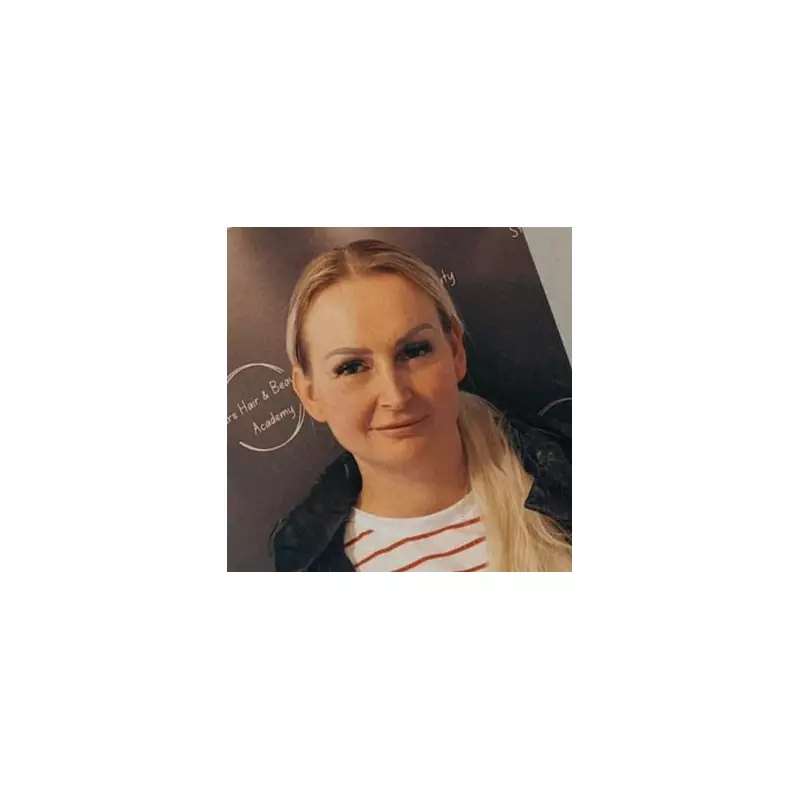
A mother once dubbed the UK's 'benefits queen' for claiming more than £60,000 annually from the Department for Work and Pensions has surprisingly criticised plans to scrap a key welfare rule.
From Benefits Dependency to Business Owner
Cheryl Drew, 43, received substantial payments to support her large family of 15 children. Reports in The Telegraph stated she pocketed over £60,000 each year in benefits, which she supplemented with a part-time cleaning job for 16 hours weekly.
Her situation changed dramatically after splitting from her former husband. According to sources close to her, the introduction of the benefits cap was a pivotal moment. "Suddenly she had all those kids to feed and decreasing money to do it. She rolled up her sleeves and grafted hard for what she’s got," a friend told The Sun.

A Stinging Critique of Labour's Policy
Now a self-described tax-paying entrepreneur, Drew strongly disagrees with the Labour government's intention to abolish the two-child limit on benefit claims. She has been quoted saying that "handouts don’t always help" and expressed disbelief at Chancellor Rachel Reeves's decision.
"I can’t believe what Rachel Reeves has done," Drew said. "She’s going backwards, not moving mums forwards." She is reportedly furious that the Chancellor is "giving in" and removing a motivation for other mothers to improve their own circumstances.
Building a New Life Against the Odds
Drew credits the cap with forcing her to become self-reliant, calling it "the making of me." During the Covid-19 pandemic, she and her current husband launched a business, starting with a single laser tattoo removal machine they operated as a mobile service.
Friends say she has since established three separate businesses and had three more children simultaneously. "She started with nothing and now has three businesses — and she’s had three more children at the same time. That’s pretty inspirational in anyone’s book," a pal stated.
While advocating for self-sufficiency, Drew is not entirely anti-benefits. Acquaintances clarify she understands the system's importance for those with no other options. Her core message, however, is that government policy should encourage work, not dependency. "It’s not fair because these decisions can make or break lives," a close friend summarised.