Birmingham is set to witness a remarkable solar eclipse on Wednesday, August 12, with the moon covering 91.79 per cent of the sun at 7.12pm – an event that will not be matched until 2081.
The Met Office has confirmed that sky-gazers across the UK can observe the cosmic phenomenon between 6.17pm and 8.06pm, with the West Midlands among the regions expected to see over 90 per cent coverage.
What time is the eclipse in Birmingham?
In Birmingham, the maximum eclipse will occur at precisely 7.12pm, when the moon obscures 91.79 per cent of the sun's disc. This makes it the fullest solar eclipse for the next five decades, as the next time the moon will cover as much of the sun will be in 2081.

The last time most of the sun was blocked above UK skies was a total eclipse in 1999, and the next total solar eclipse in the UK will not happen until 2090.
Where will the eclipse be most visible?
According to the Met Office, Devon, Cornwall and the westernmost parts of Pembrokeshire in Wales will see the eclipse at its fullest, with between 94 per cent and 96 per cent of the sun obscured. In Plymouth, the moon will cover 94.66 per cent of the sun at 7.16pm.
Forecasters say the rest of Wales, Northern Ireland, parts of the West Midlands, parts of the south west, and the westernmost parts of Scotland could see 92 per cent to 94 per cent solar coverage.
Safety warnings from the Met Office
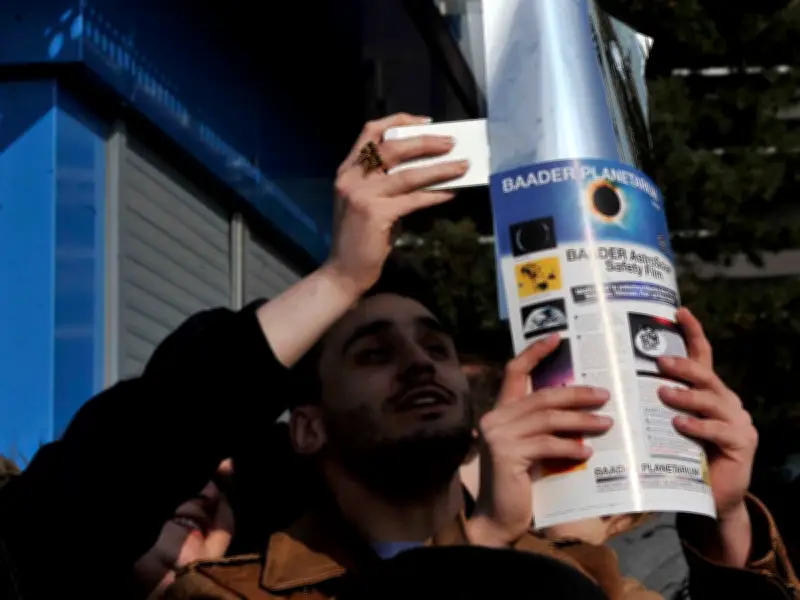
The Met Office has issued a stark warning: 'never look directly at the sun' – instead, 'use a pinhole projector or certified eclipse glasses to view it'. Looking directly at the sun can cause permanent eye damage.
Imo Bell, planetarium astronomer at The Royal Greenwich Observatory, stressed the importance of preparation: "It's not a total eclipse, but over 90 per cent is really exciting. We're not going to get one this good for a really long time. So, it's important not to miss it and to be prepared."
How to view the eclipse safely
Bell explained that solar eclipse glasses are essential: "You can't just go out and expect to have a look because it's really dangerous for your eyes. So, you can use solar eclipse glasses, which are very, very different from sunglasses – they block out so much light that you can't see anything through them except the sun, because that's how much light they need to block for the damaging light of the sun to be safe to view."
For those seeking a more detailed view, Bell suggests: "Ideally a solar telescope is an amazing way to witness it and if you don't have one of them then you can look into whether your local astronomy society is doing any events."
If no equipment is available, a simple household item can work: "And if all else fails, you can project the image of the eclipse using a household item like a colander which has lots of holes in – point the colander towards the Sun with your back facing it, and in the shadow of the colander you'll be able to see the eclipse in the holes, which is really cool."
Don't miss this rare event
With the next comparable eclipse not until 2081, this is a once-in-a-lifetime opportunity for many. The Met Office advises checking local weather forecasts to ensure clear skies, and to plan viewing locations away from tall buildings and trees.
Birmingham's 91.79 per cent coverage at 7.12pm will be a spectacular sight for those who view it safely. Whether using certified glasses, a pinhole projector, or a local astronomy event, make sure to experience this rare celestial display.