Birmingham Woman's 16-Year IPP Sentence: A Controversial Legal Saga
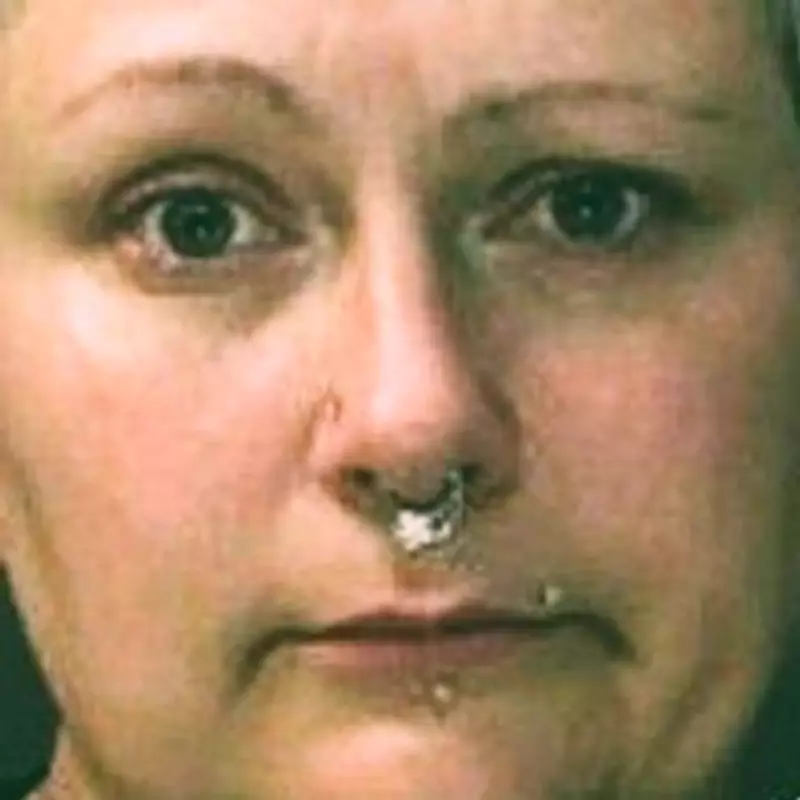
Jolene Davies, a 40-year-old resident of Sparkbrook in Birmingham, has spent 16 years in prison for a crime that carried a minimum term of just 21 months. Now, she finds herself back behind bars after a recent violent incident, underscoring the enduring impact of the controversial Imprisonment for Public Protection (IPP) order.
The IPP Sentence: A 'Draconian Measure'
Davies is among a limited number of prisoners in the UK still serving an IPP order, a sentence introduced in 2005 for individuals deemed 'dangerous' but whose offenses did not warrant a life sentence. These orders set a minimum term but allowed for indefinite custody if the prisoner was still considered a risk to the public. Although abolished in England and Wales in 2012, they remain in effect for those already subject to them, like Davies.
In 2007, at age 21, Davies received a 42-month sentence for having sex with a 15-year-old boy. Due to a prior kidnap offense committed when she was 16, she was handed an IPP sentence. Her barrister revealed in Birmingham Crown Court that she was finally released in 2023, having served 16 years—far beyond the 21 months she could have been released after, which was half her original sentence.

A Downward Spiral and Violent Incident
Within two years of her release, Davies' life spiraled. On July 16 last year, at around 10:30 PM, she stabbed a complete stranger in the arm on Fulham Road in Sparkbrook. The incident began when Davies, drinking alcohol in her enclosed rear garden, hurled racial abuse at the man as he walked past her home.
The victim responded, leading Davies to emerge from her front door holding a large knife. During the altercation, she struck him on the wrist with the blade before fleeing back inside. The victim, who suffered nightmares and trauma from the event, requested his wound be glued instead of stitched due to a fear of sharp objects.
Davies pleaded guilty to unlawful wounding and possession of a bladed article in public. She sobbed in the dock during her hearing on March 27, having already been recalled into custody under her IPP order.
Defence Highlights Lack of Support
Darron Whitehead, defending Davies, described the IPP as a 'Draconian measure' now recognized as inappropriate. He explained that upon her release in 2023, Davies was housed but did not receive the mental health care she desperately needed. Placed in a homeshare environment, she repeatedly asked for help as her mental health declined, but support was not forthcoming.
Whitehead noted that Davies turned to alcohol as a form of self-medication, exacerbated by attending a friend's funeral the day before the stabbing incident. He emphasized that without proper counseling and support, her situation deteriorated rapidly.
Legal Mishaps and Sentencing
In an unexpected turn, Davies was mistakenly released last October when the prison incorrectly believed the charges against her had been dropped. She promptly contacted her solicitors, surrendered herself to court, and was remanded back into custody. However, this was on recall to her IPP order, meaning none of the time spent awaiting sentencing for the stabbing will count toward it.
Whitehead added that Davies believes her IPP will be terminated by a panel, which would prevent future recalls. Recorder Louise MacLynn KC sentenced her to 48 weeks, noting that Davies claimed the knife was for self-defense and that the victim did not extricate himself from the incident.
Broader Implications and Prison Reform
This case highlights the ongoing struggles with IPP orders, with over 2,000 prisoners still awaiting release under such sentences. The Prison Reform Trust has criticized these orders, stating that prisoners are being 'held not for what they have done, but for what they might do.' Davies' story underscores the need for better mental health support and legal reforms to address the legacy of IPP sentences in the UK.