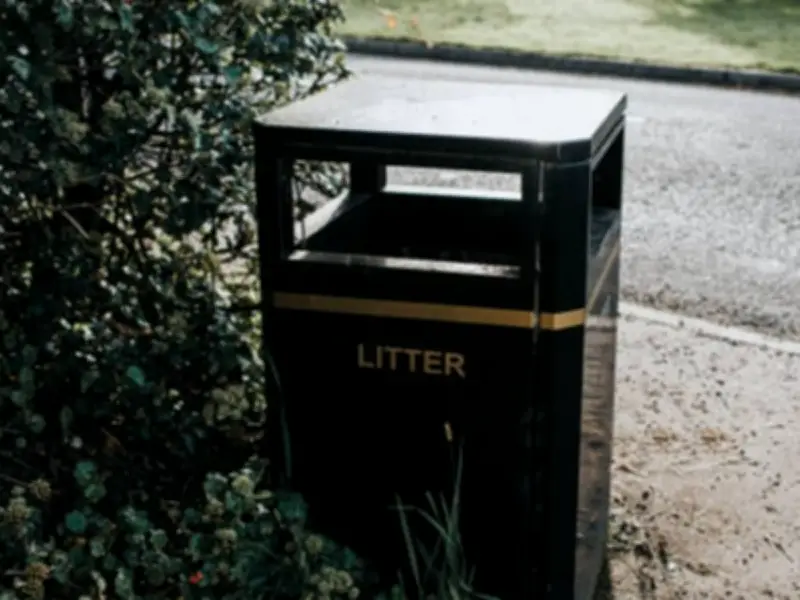
Commuters and residents are expressing anger after a member of the public was hit with a £500 fixed penalty notice for placing an empty coffee cup into a plastic rubbish bag left beside an overflowing bin at London Waterloo station. The incident, reported in a national newspaper, has raised questions about the fairness of environmental enforcement tactics.
Incident at London Waterloo
The individual, who wrote to the Guardian, described how they attempted to dispose of their waste responsibly but were penalised anyway. They explained: "The only bin I could see was completely full, but there was a plastic bag containing rubbish at the base. I put my cup in that bag and was stopped by an enforcement officer, who had been standing at a distance watching the bin."
According to the account, the officer insisted the law had been broken and refused to allow the cup to be removed. The person was asked for personal details, including a passport, and a penalty notice was issued on the spot. The writer added: "After printing out a penalty notice, he remained in the same spot watching the overflowing bin. It seemed like a set-up."

Penalty details and fines
The fine amounts to £500, but is reduced to £325 if paid within 14 days. Payment is required within 28 days, and there is no right of appeal. Failure to pay could lead to prosecution and a maximum court fine of £2,500 for littering.
Fixed Penalty Notices (FPNs) for environmental crimes must be settled within 14 days from the date of issue. If payment is not made and no reasonable grounds are provided, the case may be referred to a magistrates' court. For dog fouling, the maximum court fine is £1,000, while littering can incur up to £2,500.
Other environmental fines
The same regulations cover a range of offences. Littering with items such as food packaging, cigarette butts, or chewing gum on the public highway or from a vehicle carries a £500 fine, reduced to £325 if paid promptly. Dog fouling in a public place results in a £50 fine. Spitting in an open public space and urinating in public both attract £500 penalties.
Abandoning a vehicle can lead to a £200 fine, while exposing a vehicle for sale on the highway or repairing a vehicle on the highway each incur a £100 fine.
Public reaction and enforcement concerns
The case has sparked debate about whether such enforcement actions are overly aggressive, especially when bins are full. Critics argue that officers may be targeting individuals who are attempting to act responsibly, while supporters say strict enforcement is necessary to keep streets clean.
The incident highlights the importance of understanding local litter laws, as ignorance is not a defence. Councils and transport authorities have the power to issue these fines, and they are increasingly using enforcement officers to patrol busy areas like railway stations.