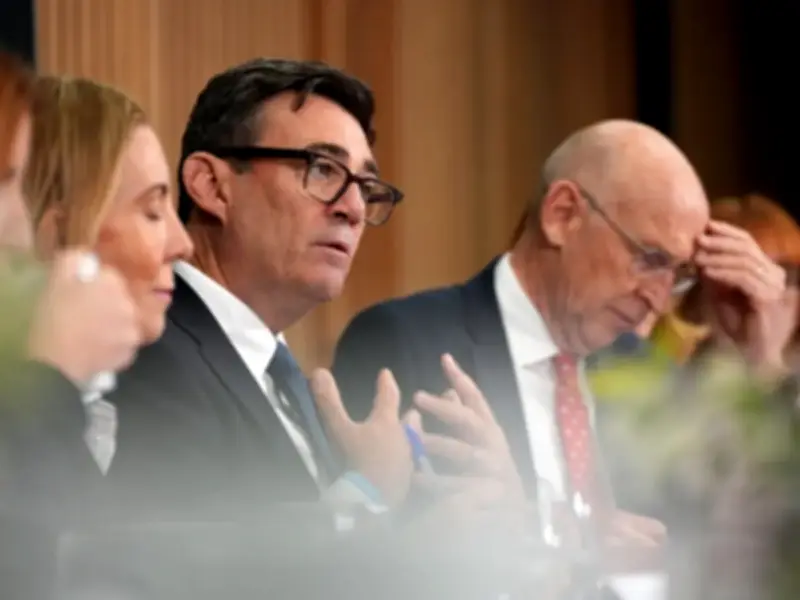
The Resolution Foundation is urging Prime Minister Andy Burnham to introduce fresh cost of living payments for households with an annual income below £30,000. In its latest report, Billing Me Softly, the thinktank calls on the Labour leader to extend support to these households amid rising energy bills.
Report highlights income targeting options
The report runs a model showing that targeting support based on total household income or the highest income in the household makes little difference. It presents illustrative options: either targeting households with a total (equivalised) annual income below £30,000, or those where the highest individual income is below £24,000. Both options would cover around 40 per cent of households.
Under the £30,000 income option, 75 per cent of households in the poorest four income deciles would be eligible for support, according to the report.

Energy price pressures and VAT cut
Report authors Mike Brewer, Alex Clegg, and Jonathan Marshall note that the Prime Minister has a “full in-tray” but the cost of living is near the top. They recall his campaign promise that “Britain is paying too much for the basics” and his announcement of a six-month zero-rating of VAT on electricity bills to give households “breathing space”.
However, they warn that re-escalating conflict in the Middle East and an apparent breakdown of the fragile peace deal have pushed wholesale gas prices back to around 150 pence per therm, close to levels seen after the first attacks and double the prices of a year ago. The Ofgem price cap has already increased by 13 per cent from Q2 to Q3 this year, and although forecasts for Q4 show only a small uptick, the risk of a large jump in Q1 2027 is “very real”.
VAT cut impact and call for targeted system
The VAT cut, effective from October 1, is worth around £45 per year to the “typical” household, which the authors say will “take some of the sting away” from price jumps. They add that shifting taxes away from electricity is a welcome step for the net zero transition, but does little for households worrying about gas heating costs, as 84 per cent of homes are on the gas grid.
The authors conclude that new and returning ministers should complete the job left undone by previous governments: setting up a system that can be easily turned on to shield vulnerable households from high energy bills, rather than resorting to costly universal support as in 2022, or risking months of hardship.