Carers across the UK are speaking out about a distressing benefits scandal after being hit with sudden demands to repay thousands of pounds to the Department for Work and Pensions (DWP). The issue centres on the Carer's Allowance and a so-called "cliff edge" earnings rule that has left many feeling "treated as criminals."
The Brutal Demand: A Letter on the Doorstep
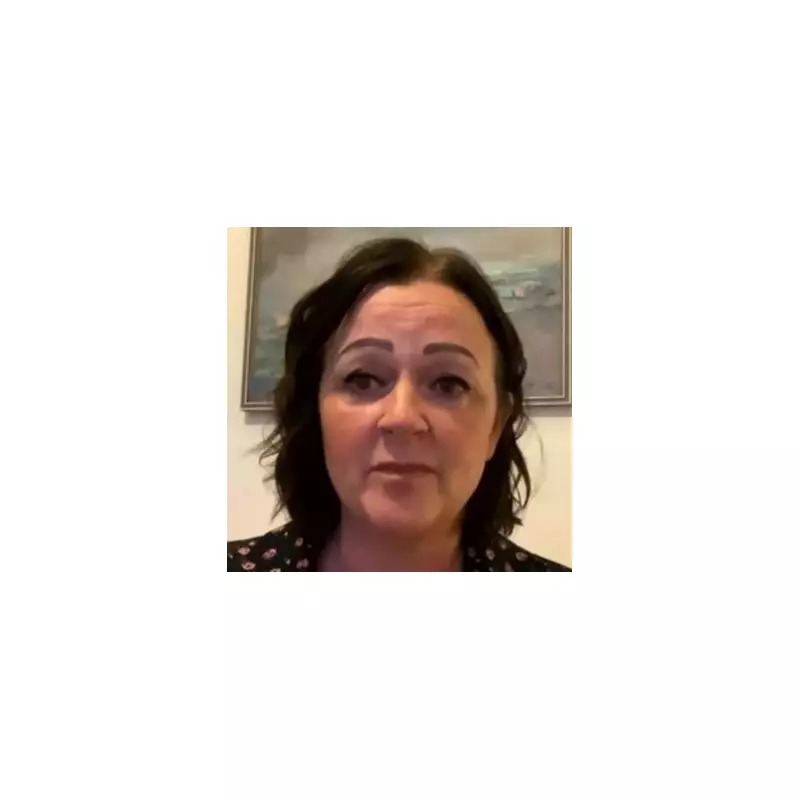
Emma Martin, a carer for her 28-year-old daughter Mia who has autism and epilepsy, described the shocking moment she discovered she owed money. "I literally just got a letter dropped on my front doorstep saying that I owed the DWP a certain amount of money - it was approximately £1,500," she told The Mirror.
Emma, who relies on Carer's Allowance, said she received no prior warnings from the DWP. "It just landed on the doorstep - I had no clue," she explained. "It was kind of the first time I'd heard of it. I did phone them and they said 'no it's got to be paid back.'" The demand forced her to turn to her family for financial help.

The 'Cliff Edge' Rule at the Heart of the Scandal
The problem stems from the strict earnings threshold attached to Carer's Allowance. The benefit is paid to individuals who provide at least 35 hours of care per week, but only if their other earnings do not exceed a specific limit.
Until April of this year, that threshold was £151 per week. It has since risen to £196 a week. However, the system operates with a harsh "cliff edge" rule: if a carer's earnings exceed the limit by even a single penny, they become liable to repay the entire allowance for that period.
"It could have only been 50p," Emma said. "But for that 50p they would take the whole month's carers' allowance away." She condemned the penalty, stating: "To lose a whole month's money of £300 just for 50p is insane. It's not fair."
Systemic Failure and a Damning Report
The scandal, covered extensively by The Guardian, has highlighted how claimants were made to feel intense "fear and shame." A new damning report has found that the DWP "failed to act systematically on previous reports and to take actions that could have stemmed these overpayments."
Emma, who has met other carers facing similar bills, believes the fault lies squarely with the DWP. "Having it hang over people that they owe thousands when really the people who were at complete fault were the DWP who should have given those carers that information," she argued.
She delivered a powerful critique of how carers are valued, saying: "I think carers are the worst-treated people in the benefits system... I just think carers are forgotten people because without us the whole system collapses. I think we need to be recognised a lot more."
The Labour Party government and the DWP are now reassessing claims in the wake of the scandal, as pressure mounts to address the systemic issues and the human cost of the overpayment demands.