A group of rogue roofers swindled five victims out of almost £250,000 by delivering substandard work or failing to turn up altogether, a court has heard.
Woolwich Crown Court was informed that a gang operating under a firm bearing Glyn Walters' name deceived 'ordinary people' out of substantial amounts. The court heard a 'representative' would arrive at victims' properties and examine their roofs, insisting repairs were required. Householders subsequently paid cash but the work was never finished, or if it was, it was completed to an 'extremely poor standard'.
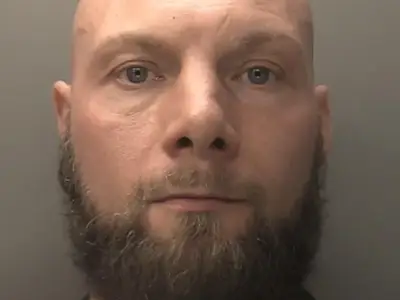
The court was told on Tuesday, April 24, that Walters, 60, from north London, allowed his name to be used for the criminal operation, and a bank account was established in his name. Nevertheless, recognising he hadn't assumed a leading position in the fraud, Judge Charlotte Welsh suspended his prison sentence.

She stated: 'The money laundered was in the sum of approximately £245,000. It was the proceeds of fraudulent conduct. The conduct was particularly cruel in nature. Criminals purporting to be legitimate traders offered roofing services under Glyn Walters Roofing. The prosecution identified occupants of four separate addresses. The victims had absolutely no reason to suspect that these were anything other than legitimate companies. A representative would inspect their roof and tell them what work needed to be done. It was a sophisticated con on these people.'
The court heard Walters had pleaded guilty to one count of money laundering on the day of his trial. Prosecutor Richard Heller informed the court that the offence involved 'fraudulent conduct relating to roofing services' in which five victims were 'grossly overcharged' between March and September 2021.
Mr Heller outlined how a roofing firm was established in Walters' name in March 2021, with advertisements posted on the tradesperson review website Rated People. Bank accounts were also registered in his name.
'Homeowners would be visited by one or more men,' Mr Heller said. '[Walters] was not present on any of the visits. They would provide a leaflet. One or more of Glyn and his colleagues would inspect [victims'] roofs. The work was either not carried out, was performed to an extremely poor standard or [victims] were grossly overcharged. Homeowners paid in excess of £240,000 to these traders.'
Mr Heller noted that bank accounts opened by Walters received 'substantial amounts' in 2021. The court was then told that a joint investigation between police and trading standards resulted in his arrest in October.
Walters claimed to authorities that he had been forced to open the bank accounts 'under duress' after being introduced to some 'Irish travellers' through his Greek neighbour, who suggested they could earn him money. 'When he expressed reluctance, they threatened his family, mentioning the IRA,' Mr Heller said.
Defence counsel Abigail Penny told the court that Walters had been 'taken advantage of' and was 'very sorry'. '[Walters has] a history of depression and anxiety, and a long-standing addiction to heroin,' she said. 'He's very sorry he had any involvement in this. He has been taken advantage of, but perhaps there were things he might have done to stop those exploiting him.'
Judge Welsh, recognising a realistic prospect of rehabilitation, handed Walters a suspended 54-week prison sentence. 'You pleaded guilty on the day of trial to an offence of entering into or becoming concerned in a money laundering arrangement,' she said. 'Chartered Surveyors would inspect the [roofing] work. These professionals found that the work hadn't been carried out at all, or was performed at an extremely poor standard and or was significantly overcharged. These are human beings, not companies. These are ordinary people who have probably worked all of their lives for the home they live in.'

'Your role was to lend your name to the fraudulent enterprise, both in terms of the name of the company and for your personal details for bank accounts. You had been a gardener. You are a drug abuser, and that's a very expensive habit to maintain. You were told you would have money paid to your bank accounts. I accept you had little awareness of the criminality in the fraud. Your role was not sophisticated. You were visited at home by fraudsters. Their manner was forceful and intimidating, just as it had been when the homeowners complained.'
Judge Welsh further noted that while she would apply a costs order, Walters, who relies on benefits and universal credit, lacked the financial means to pay. 'You are free to leave,' the judge told Walters as his sentence concluded.