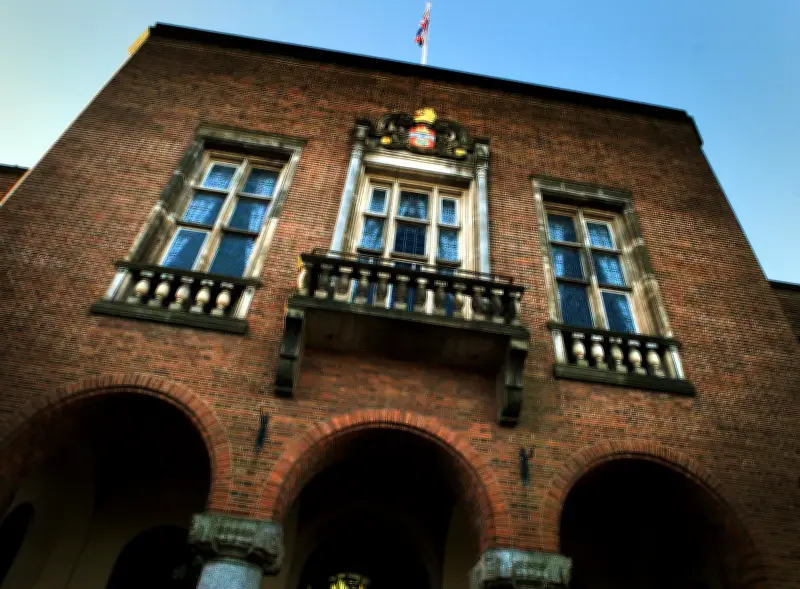
The Refugee and Migrant Centre (RMC) has responded to pressure from Dudley Council leaders by insisting it has no influence over who comes to the UK, as the local authority's finance chief refuses to accept £120,000 of government funding for the charity's work.
The RMC, which operates drop-in centres across the West Midlands including one in the Trident Shopping Centre in Dudley, issued a statement from its senior leadership team defending its role after Cllr Steve Clark, Dudley Council's finance chief, said the charity's work deprives borough residents of access to council services.
Charity's 25-Year Record
In their statement, the RMC's senior leadership team highlighted the organisation's long history of supporting communities in the region. "For over 25 years RMC has supported communities across the West Midlands, and we have seen so many of the people we have supported contribute hugely to the communities they have become part of," they said.
The charity said it provides support to all newcomers, including "those who supported the British Armed Forces abroad, resettled Ukrainian refugees, EU migrants, the Windrush generation and British National (Overseas) from Hong Kong." The statement added: "As a charity, RMC does not set national policy, decides who comes to the UK or their legal status."
Council's Funding Concerns
Dudley Council's Conservative leadership has said it does not want the £120,000 on offer from the government, which has previously been accepted by officers without the approval of elected councillors. Cllr Clark explained his position, saying: "While this contract is technically covered by an external grant, it is being managed in an ad-hoc way that bypasses standard competitive tendering rules.
"More importantly, it creates long-term structural pressures on our borough." Cllr Patrick Harley, leader of Dudley Council, added: "Dudley Council should not be acting as an administrative arm to clean up the government's failure to control the UK's borders. If central government wants to hand out help to asylum seekers and refugees, they should administer it themselves instead of passing the buck to local authorities."
Charity Defends Its Role
Leaders from the RMC said their role is "simply to support people who are already here, navigate the reality of their circumstances and hopefully become an integral part of the wonderful and diverse communities that make up the fabric of the West Midlands." They said the charity works with a wide variety of partners, including statutory agencies, to provide support covering employment, citizenship, English language classes, health inequalities, domestic violence and financial inclusion.
The statement concluded: "RMC enables people to rebuild their lives. Our specialised and cost-effective approach prevents issues from becoming complex and more expensive for public services. As always, we will continue to work constructively and pragmatically with a very broad range of partners."