Ex-Prison Officer Lifts Lid on Jail Reality: 'We're All One Bad Day Away'
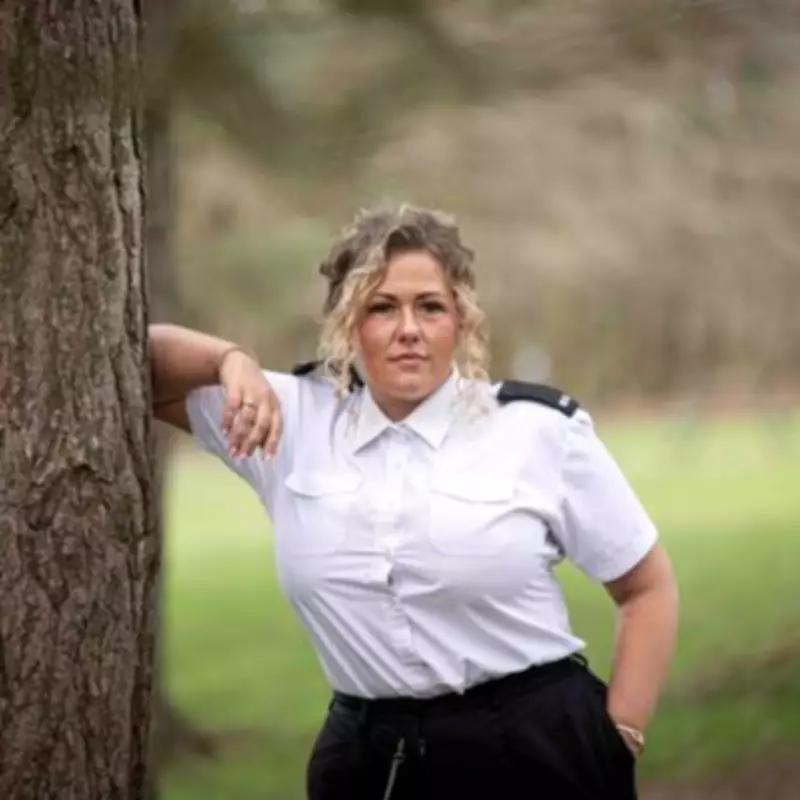
When Melissa Burgoyne-Cox began her career as a prison officer, she anticipated encountering society's most hardened criminals. However, after a transformative seven-year stint at HMP Featherstone near Wolverhampton, the 34-year-old from Staffordshire discovered a reality starkly different from her expectations. Instead of meeting the worst, she says she encountered 'some of the best' individuals behind bars.
A Journey of Perception and Change
Now having left the prison service and gained recognition through Channel 4's 'Banged Up' series, Melissa is on a mission to flip society's negative perception of inmates and inspire tangible change within the justice system. Her straight-talking social media account, 'Off the Cuff with Mel', boasts over 250,000 followers and features interviews with ex-prisoners, focusing on their human stories rather than glamorising their crimes.
'We are human and as human beings we go through things that impact us. We are all one bad day - one stupid decision - away from prison,' Melissa revealed in an exclusive interview, shedding light on her profound experiences. She emphasised that while she initially shared public fears about offenders, her perspective dramatically shifted, requiring her to 'eat a slice of humble pie.'

The Human Side Behind Bars
Melissa spoke passionately about prisoners rehabilitating and supporting each other through life's greatest challenges, contrasting this with the minority involved in drugs and gangs. She highlighted unseen violence behind cell doors but stressed that 70 percent of inmates are misunderstood and could thrive with proper guidance.
'My message to the public would be that although I understand their perception of offenders, as I felt scared at first, they do have it wrong,' she asserted. 'If you want to stop crime rising, we have to rehabilitate when they are in prison and make sure they do have that support in place when they come out.'
Staffing Crisis and Daily Realities
Reflecting on her early days, Melissa described being one of just two officers managing a landing of 80 men, responsible for everything from work placements and gym access to medication and emergency responses. 'I was like a fish out of water, I cried when I got home for the first 12 months,' she recalled, feeling overwhelmed yet eventually earning employee of the month for facing challenges head-on.
She identified severe staffing shortages as a critical issue, questioning how effective rehabilitation can occur with such limited resources. 'How can you run a regime and rehabilitate and help people with mental health, addiction and change their mindset with two prison officers?' she asked, noting that during incidents, waiting for backup made 'two minutes feel like 20.'
Safety, Rehabilitation, and Systemic Flaws
Despite the dangers, Melissa found it 'easier to be female' due to inmates' reluctance to harm women, even in volatile situations. She believes most prison issues could be resolved with adequate staffing, criticising the current 'excruciating' officer-to-prisoner ratio that turns operations into a disorganised 's*** show.'
Her rehabilitation philosophy is inclusive, except for paedophiles. 'I take everyone unless they are a paedophile - even terrorists. I could sit and play cards with them, I believe most people - apart from paedophiles - can be rehabilitated,' she stated, observing that successful rehabilitation often stems from peer support rather than systemic efforts.
Inspiring Moments and Future Advocacy
Melissa shared touching instances of inmates helping each other cope with personal tragedies, such as news of a spouse's death or children entering foster care. 'That to me, is inspiring to watch,' she said, appreciating the vibrant, unpredictable environment that kept her 'on my toes.'

Since her viral TikTok response to a video clip, she has dedicated herself to changing public perceptions and now plans to create petitions for prison reform. She pointed out sentencing disparities, like paedophiles serving short terms versus drug suppliers facing decades, arguing this undermines rehabilitation. 'That's where it needs to change,' she insisted, warning that mixing first-time offenders with hardened criminals risks exposing them to gang culture and addiction.
Ultimately, Melissa's journey from prison officer to advocate reveals a complex, often misunderstood world, urging society to rethink justice and support meaningful rehabilitation for a safer future.