Millions of benefit claimants across the UK are set to see the real-world value of their payments shrink this year, despite headline inflationary increases. The Department for Work and Pensions (DWP) has confirmed that four specific benefits will effectively be cut in real terms during 2026, leaving many households facing a tighter financial squeeze.
The Frozen Payments: Housing Support and a Festive Bonus
Two major areas of support are being held at a standstill. Firstly, Local Housing Allowance (LHA), which determines the level of Housing Benefit for private renters, will remain frozen in cash terms. This policy, inherited from the previous government, means support will not keep pace with rising rents unless the Chancellor intervenes.
Research by the Joseph Rowntree Foundation warns of severe consequences. They calculate that if the LHA freeze continues over this parliament, the average private renter on housing benefit will be around £700 worse off per year. This policy could push 50,000 renters into poverty, including 30,000 children into "very deep poverty."

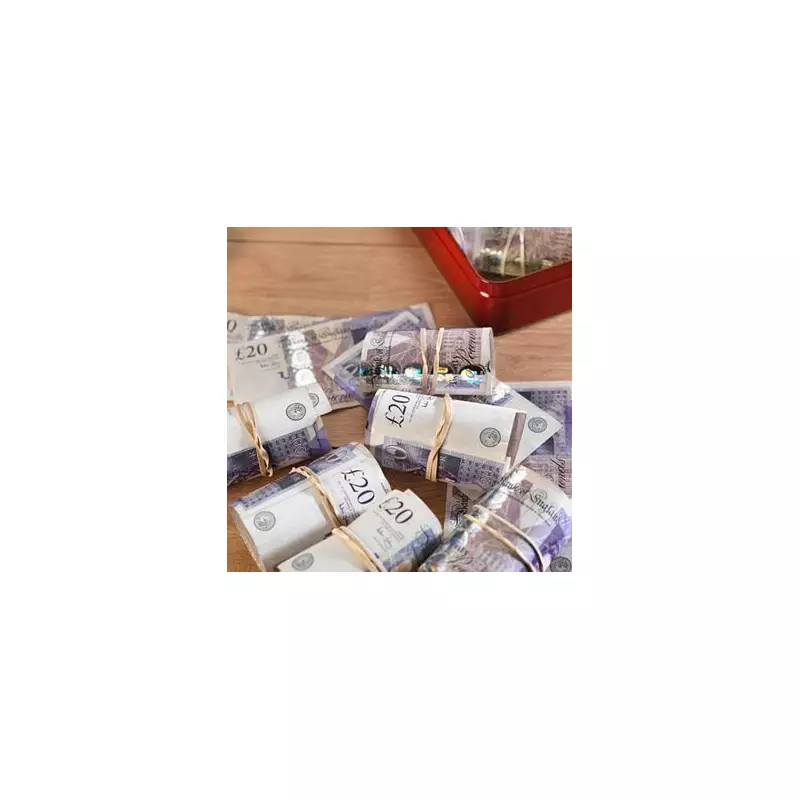
Secondly, the DWP Christmas Bonus will stay at its longstanding rate of £10, unchanged since its introduction in 1972. A new online petition argues this is now "insulting," pointing out that adjusted for inflation, the bonus should be worth approximately £180 today. Petition founder David Kirkwood stated the £10 sum "won't even buy a round of drinks" and fails to help with modern Christmas costs.
Significant Reductions to Universal Credit Health Elements
Major changes are also coming to Universal Credit for those with health conditions. From April 2026, the additional amount for those with Limited Capability for Work and Work-Related Activity (LCWRA) will be approximately halved for most new claimants, falling from £432.27 to £217.26 per month. This reduced rate will then be frozen each year until 2029/30.
A "protected" group will be exempt from this cut. This includes existing LCWRA recipients and new claimants who are terminally ill or have severe, lifelong conditions with no expectation of work. Their combined payments will rise at least with inflation from 2026/27.
This means new applicants for the Universal Credit health element, intended for those with long-term severe conditions or recovering from cancer treatment, will see their support slashed by half and then frozen. Experts warn that those who might qualify under the current rules may need to act quickly to avoid the impending reduction.
Impact and Calls for Change
The collective impact of these policies is a significant reduction in the safety net for some of the most vulnerable. The Joseph Rowntree Foundation has directly linked the housing benefit freeze to rising poverty and homelessness, urging the government to "permanently stop the freeze and re-link housing costs to housing support."
Meanwhile, the campaign to increase the Christmas Bonus highlights how outdated fixed payments erode the real value of state support over decades. With living costs remaining high, these real-terms cuts to DWP benefits are poised to increase financial pressure on low-income families, disabled people, and private renters across the country in 2026 and beyond.