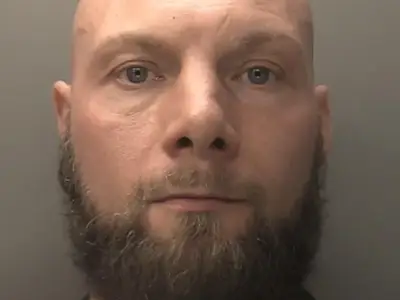
Daughter of Soham Murderer Ian Huntley Breaks Silence on His Death
Samantha Bryan, the biological daughter of convicted double child killer Ian Huntley, has publicly spoken out for the first time following his death, stating that he does not deserve a funeral and that his ashes should be 'flushed down the toilet'.
Violent Prison Attack Leads to Huntley's Death
Ian Huntley, who murdered ten-year-old girls Holly Wells and Jessica Chapman in Soham in 2002, passed away in hospital today after a brutal prison attack last Thursday. Reports indicate that Huntley was struck in the head repeatedly with a metal pole in a workshop at HMP Frankland, sustaining severe injuries that left him unrecognisable. He had been placed in a medically induced coma, and his life support was reportedly switched off last night.
Samantha Bryan's Strong Condemnation
In an interview with The Sun, Samantha Bryan expressed her vehement opposition to any funeral or memorial for her father. 'He shouldn't have the dignity of a funeral and grave. I will not be going,' she stated. Bryan argued that funerals are meant to celebrate a person's life, and there is nothing about Huntley to celebrate. 'It takes up people's valuable time and he's not worth it,' she added, emphasising her desire for people to forget him due to his horrific crimes.

Bryan further explained her stance, saying, 'I don't want there to ever be any possibility of freaks or weirdos going to a resting place or memorial, to show him some kind of twisted respect. The thought of that is disgusting.' She also remarked, 'There's no point having a funeral as he'll burn in hell. There is no place for him in heaven. The devil is waiting.'
Potential Funeral Arrangements and Security Concerns
Despite Bryan's wishes, it is believed that Huntley will receive some form of funeral. Nusrit Mehab, a former superintendent with the Metropolitan Police and a senior lecturer in criminology, told The Mirror that if Huntley's family are next of kin, they can claim the body and arrange a private funeral or cremation. However, due to the high-profile nature of his death, security concerns are significant, likely leading to a private burial in an undisclosed location or a low-key cremation with minimal attendance.
If no one claims the body, the prison service and local authority will handle arrangements, resulting in a low-cost funeral or cremation funded by taxpayers. Mehab noted that with high-risk criminals, anonymous, unpublicised disposals are common to avoid public attention, often involving quiet cremations without graves. Ashes would typically go to the family if they are next of kin; otherwise, they might be scattered by the local authority or stored as unclaimed.
This case highlights the complex and sensitive nature of handling the remains of notorious criminals, balancing legal procedures with public sentiment and security needs.