Ian Huntley's Estate and Assets: What Happens After Prison Death?
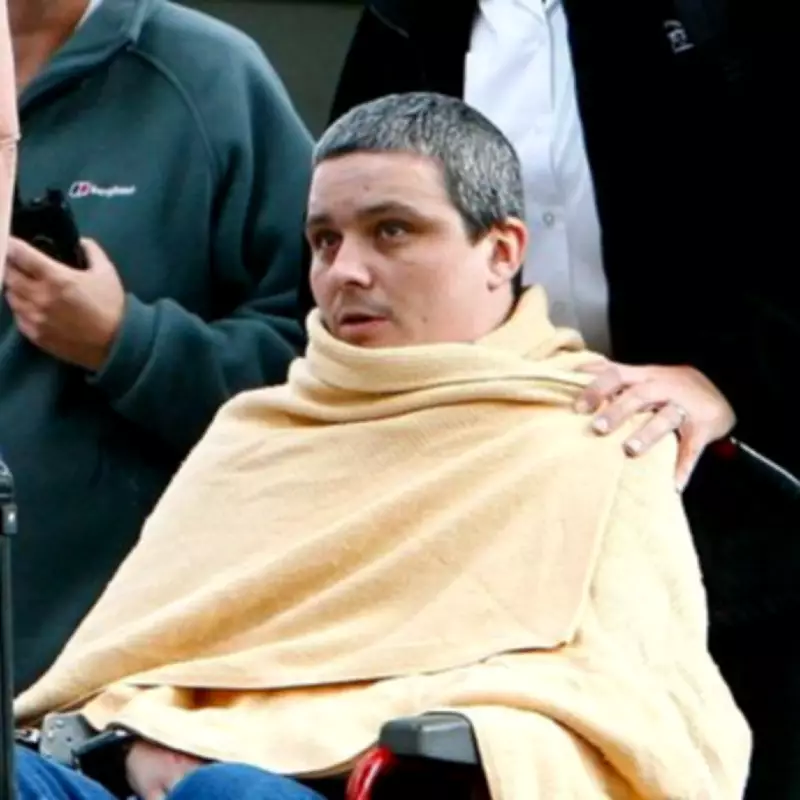
Child killer Ian Huntley has died in hospital following an alleged violent attack by a fellow inmate at HMP Frankland in County Durham. The double murderer, who was convicted for the 2002 killings of ten-year-old schoolgirls Holly Wells and Jessica Chapman in Soham, Cambridgeshire, suffered severe head injuries and was reportedly in a vegetative state before life support was withdrawn.
Property Demolished Years Ago
Attention now shifts to the disposition of Huntley's estate, money, and personal effects. Notably, the three-bedroom detached house at 5 College Close in Soham, which he occupied as part of his school caretaker role and shared with then-girlfriend Maxine Carr, was demolished just four months after his sentencing. A 20-ton bulldozer reduced the property to rubble to prevent it from becoming a macabre memorial or target for souvenir hunters, with all debris crushed and removed per council instructions.
Legal Framework for Prisoner Estates
Paul Hewitt, a legal expert and partner in the trust, estate and inheritance disputes team at Withers, explains that inheritance issues for prisoners typically arise when they are beneficiaries or sole executors, not as testators. He states, "The problems in this type of scenario are usually the other way round." Assuming any outstanding criminal confiscation orders are satisfied, there are no legal barriers preventing a prisoner from owning assets.

Writing a will while incarcerated follows the same legal requirements as on the outside, necessitating two witnesses. Huntley, imprisoned for over 22 years, likely accumulated personal belongings in his cell, though such items are strictly monitored.
Process for Personal Effects and Assets
Upon a prisoner's death, prison staff collect all belongings, including cash. The coroner or police may retain items as evidence until an inquest concludes. If not needed, effects are returned to next-of-kin. Hewitt notes, "If the prisoner has made a will their executor is responsible for collecting the effects and handing them on to whoever is entitled under the will. Or they pass on intestacy – eg to their spouse if married."
The involvement of a coroner in prison deaths can slow the process. Unclaimed property may be sold or destroyed after three years (one year for cash), with proceeds going to charities like the National Association for the Care and Resettlement of Offenders. Funds in prison accounts are transferred to the estate executor or next-of-kin, while external assets like property or shares are handled through probate.
Hewitt adds that prosecutors could intervene if unpaid penalties from criminal confiscation orders exist, ensuring they are settled from the estate. Otherwise, standard inheritance procedures apply, underscoring the legal complexities surrounding notorious offenders' posthumous affairs.