Ian Huntley's Death and the Grim Reality of Prison Funeral Plans
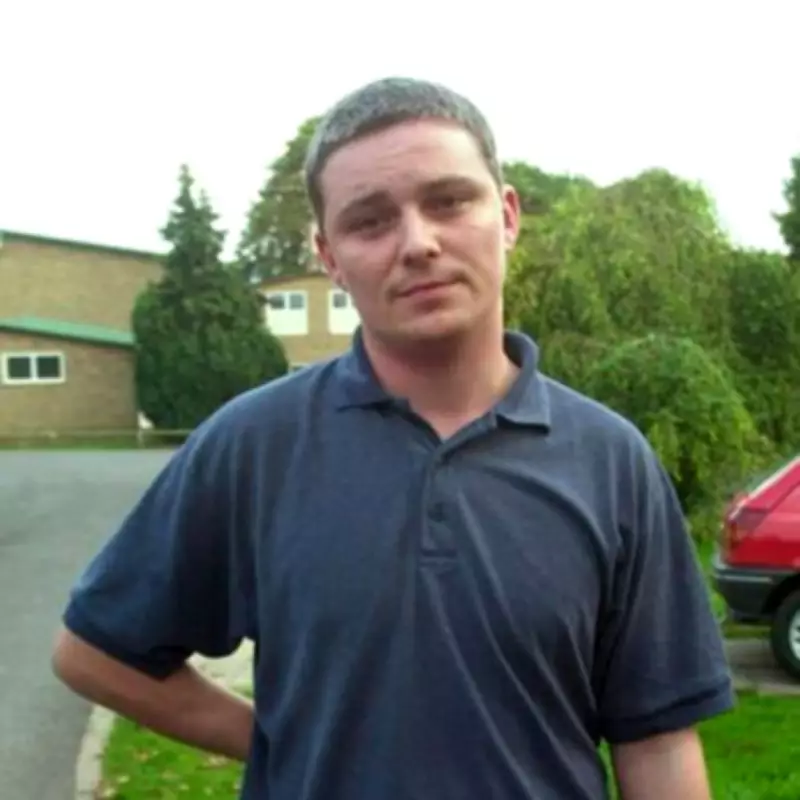
The notorious Soham murderer Ian Huntley has died at age 52, eight days after a savage prison assault left him with catastrophic injuries. The child killer was attacked at HMP Frankland, known as 'Monster Mansion', where a fellow inmate allegedly struck his head with a metal pole.
Huntley was discovered lying in a pool of blood and initially presumed dead by prison officers. He sustained severe skull fractures, brain damage, and a broken jaw, spending his final days in a medically induced coma on a ventilator. His mother, Lynda Richards, reportedly could not recognize him due to the extent of his injuries.
The Brutal Attack and Suspect Identification
Prison sources indicate Huntley was working in waste management when he was targeted in Wing A, a section designated for inmates requiring separation from the general population for their own safety. Triple murderer Anthony Russell, 43, has been widely identified as the main suspect.

Reports suggest Russell unleashed his rage following a dispute in a workshop, with other inmates allegedly cheering as he was escorted away in handcuffs while shouting about having killed Huntley. The Ministry of Justice confirmed the killer's death on Friday night after medics removed life support following brain tests revealing a vegetative state.
Legal Procedures for Deaths in Custody
Nusrit Mehab, a former Metropolitan Police superintendent and senior criminology lecturer, explains that Huntley's death triggers mandatory investigations. "A death in custody is automatically treated as a crime scene," she stated. "Medics document the time of death and notify police immediately."
The body will be sent to a coroner's controlled mortuary for a mandatory postmortem to determine the exact cause of death. The prison and probation ombudsmen must conduct an independent investigation, followed by an inquest into the circumstances surrounding his demise.
Funeral Arrangements for a Notorious Killer
Despite being one of Britain's most despised murderers, Huntley remains entitled to funeral arrangements under British law. Mehab clarifies: "His body will be released to the next of kin or an appointed representative. If he designated someone else in a will, they become the legal claimant."
Huntley's family situation complicates matters. He was largely estranged from relatives, though his mother was reportedly at his bedside when he died. His daughter, Samantha Bryan, previously stated that "there's a special place in hell waiting for him."
Security Concerns and Disposal Options
Should family members claim the body, significant security considerations will apply due to Huntley's heinous crimes. Mehab anticipates: "It will be a very high profile death, so there will still likely be security concerns. They might want a private burial in an undisclosed location with minimal attendance."
If no one claims the body, responsibility falls to public authorities. "The prison service and local authority will arrange a low-cost funeral or cremation at taxpayer expense," Mehab explained. "There'd be no public ceremony and it will likely be a quiet cremation rather than a funeral."
For high-risk criminals, authorities typically arrange "anonymous, unpublicised disposals" to avoid public attention. Ashes might be scattered by local authorities or stored as unclaimed remains. The priority remains preventing any location from becoming a site of public interest or controversy.
Huntley had been serving a life sentence with a minimum 40-year term for murdering 10-year-olds Holly Wells and Jessica Chapman in August 2002. The former school caretaker discarded their bodies in a ditch after they disappeared while buying sweets following a family barbecue in Soham, Cambridgeshire.