Millions more savers are at risk of paying tax on their interest earnings, experts have warned, as frozen tax rules collide with higher savings rates. The Personal Savings Allowance (PSA) lets basic-rate taxpayers earn up to £1,000 a year in interest tax-free, but this falls to £500 for those in the higher tax band, earning over £50,000. According to CACI figures, the number of non-ISA savings accounts forecast to earn over £1,000 in interest has surged by 1,047% since 2018, as easy-access accounts now offer significantly higher rates than in previous years.
Tax exposure grows as rates rise
Experts from Yorkshire Building Society highlighted how the threshold has failed to keep pace with interest rates. In 2016, a basic-rate taxpayer could have held around £100,000 in a typical savings account without breaching their allowance. By 2026, at interest rates of 4%, that figure has dropped to roughly £25,000. For those earning over £50,271 and paying higher-rate tax, the amount falls to around £12,500 before tax is due.
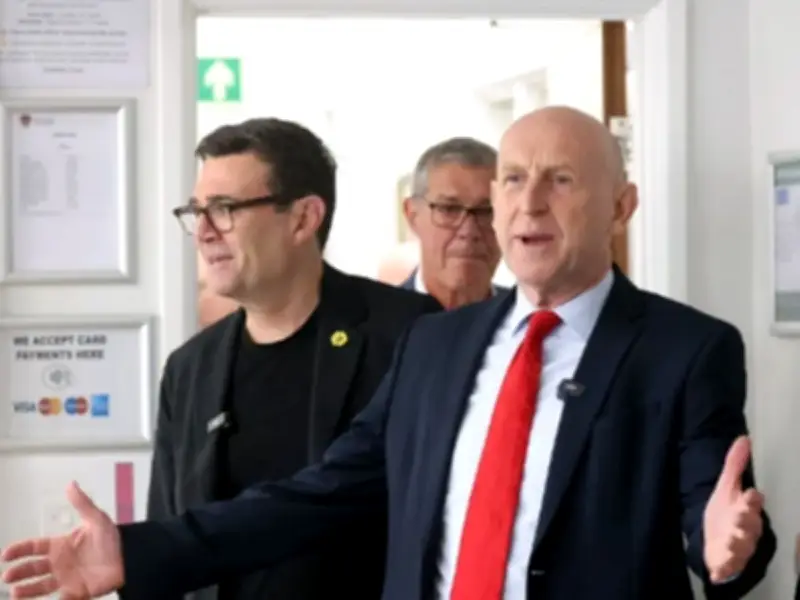
This shift means many more savers are being dragged into paying tax on interest they previously would have kept. The rules are being inherited by Andy Burnham and new Chancellor John Healey, and it remains to be seen whether any changes are announced at the Budget in October.

Experts call for review of frozen allowance
Tina Hughes, director of savings at Yorkshire Building Society, said: “The scale of this shift is staggering. Our analysis shows that the number of savings accounts potentially exposed to tax has gone from under half a million to well over five million in just a few years. This isn’t about people suddenly becoming wealthy — it’s about a frozen allowance colliding with much higher interest rates.”
Rachel Springall, finance expert at Moneyfactscompare.co.uk, added: “Savers are earning higher rates of interest, but they are also becoming ever more exposed to tax due to fiscal drag. The fact that there are millions of accounts becoming liable to tax over the past five years alone just shows how the Personal Savings Allowance has not moved on with the times and is in dire need of review to protect savers.”
Impact on savers and possible solutions
Springall warned that those saving for a home might not realise they could be breaching their PSA due to higher interest rates. She advised savers to make use of ISAs to shield their cash from tax. With the October Budget approaching, the future of the allowance remains uncertain, but the growing number of affected savers is likely to put pressure on policymakers to act.