The Intergenerational Foundation, a research charity advocating for younger and future generations, has recommended that state pensioners born before 1960 should "contribute" more in tax if they continue to earn income from employment. The recommendations were directed at Prime Minister Andy Burnham and his Chancellor, John Healey, as part of a broader push for intergenerational fairness.
Key proposal: Equal tax treatment for working pensioners
The charity's report argues that older people earning income from work should be taxed on the same basis as younger workers. "If older people continue to earn income from employment, there is a strong case that they should contribute on the same basis as younger workers," the report states. This would mean that pensioners with additional earnings would see their tax liability increase, aligning with the tax rules applied to the working-age population.
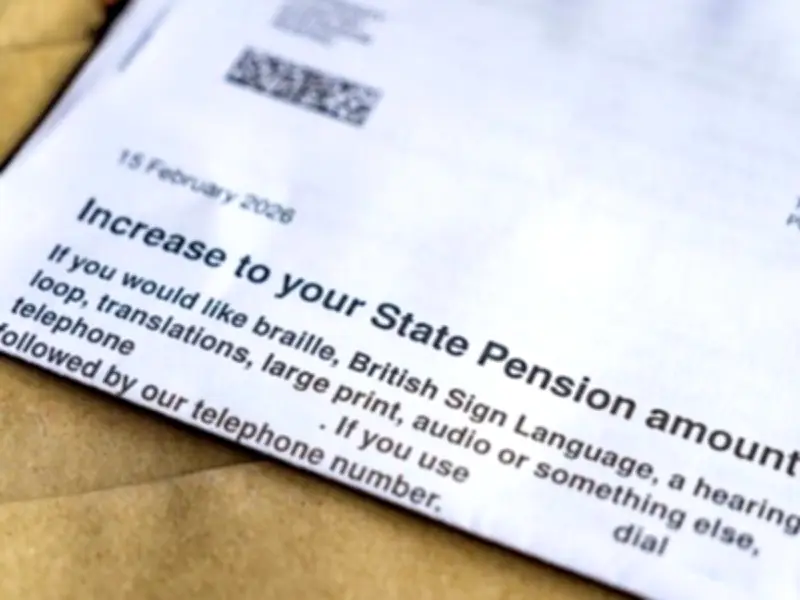
Currently, the standard tax-free allowance for the State Pension is the Personal Allowance, set at £12,570 per year for the 2026/27 tax year. The State Pension, for those born before 1960, counts as taxable income. This means that if a pensioner's total annual income from all sources—including private pensions or a job—exceeds this threshold, they are liable to pay tax.

How State Pension tax currently works
The State Pension is paid gross, without tax deducted at source. HM Revenue & Customs (HMRC) adjusts tax codes or collects any owed amounts through other income sources or a Simple Assessment process. For pensioners whose only income is the State Pension, they currently do not pay tax, and planned changes aim to keep it that way even if the pension rises above the frozen allowance.
Saga Money explains: "The government has said it does not want to tax people who are solely reliant on the state pension." Chancellor Rachel Reeves has also stated that those receiving only the basic or new state pension with no other taxable income will have their tax waived.
Government commitment to protect low-income pensioners
In the full Budget 2025 document, the government committed to easing the administrative burden for pensioners whose sole income is the basic or new state pension without any increments. This measure, effective from 2027/28, ensures that these pensioners do not have to pay small amounts of tax if the new or basic state pension exceeds the personal allowance. The commitment applies until the end of the parliament, likely in 2029, though it could end earlier.
The government indicated it is exploring the best way to implement this and will provide further details next year. This protection is crucial for pensioners who depend entirely on the state pension, shielding them from tax liabilities that could arise from inflation-linked increases.
Impact on pensioners and intergenerational fairness
The Intergenerational Foundation's recommendations could have significant implications for pensioners who choose to work beyond state pension age. If adopted, working pensioners would face higher tax bills, potentially reducing their net income from employment. This could discourage some from remaining in the workforce, which may have broader economic consequences.
Proponents argue that such a move would promote fairness between generations, ensuring that older workers contribute to public finances in the same way as younger employees. Critics, however, warn that it could penalise pensioners who need to work to supplement their income, particularly those who did not benefit from generous final salary schemes.
The debate comes at a time when the government is under pressure to balance the books while addressing the needs of an ageing population. The Intergenerational Foundation's report adds to the ongoing discussion about how to achieve a fairer distribution of tax burdens across age groups.